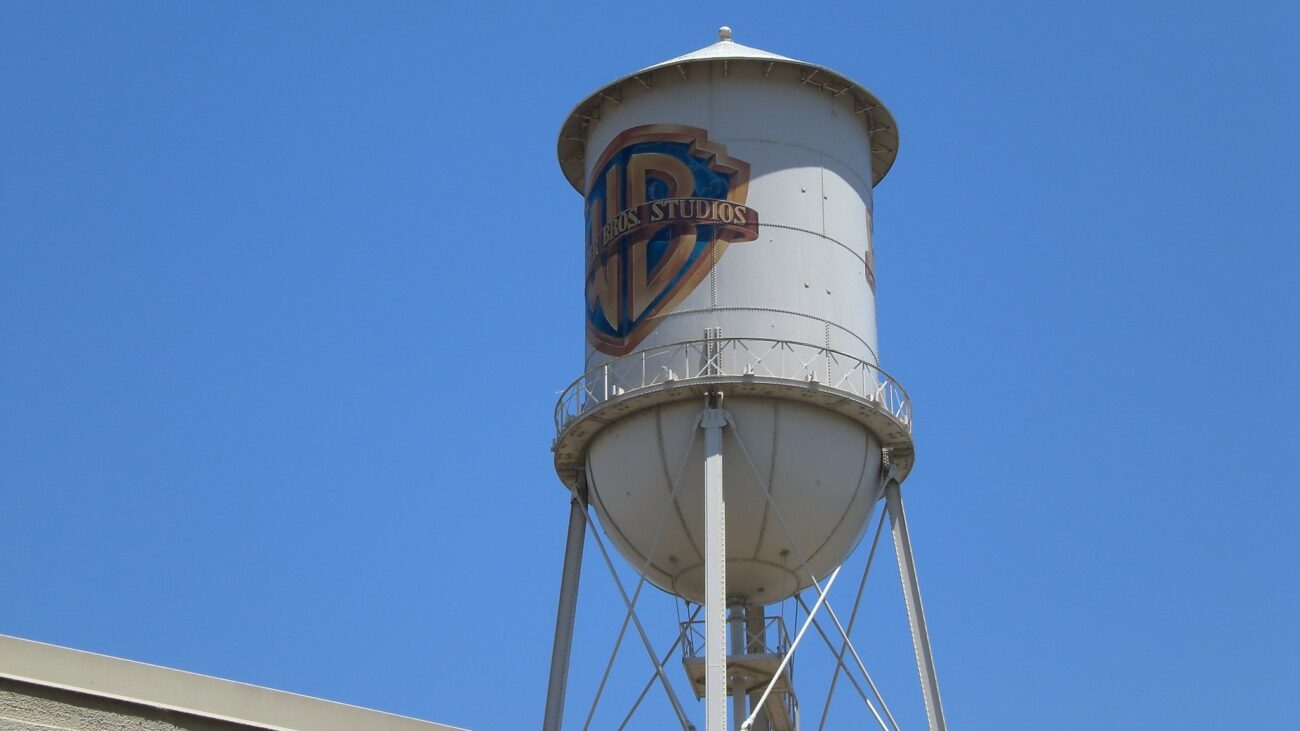
For the third time in about a decade, Warner Bros. is once again for sale. It’s depressing to see one of Hollywood’s most noteworthy studios treated as interchangeable intellectual property (IP) by a succession of bean counters, from AT&T to David Zaslav.
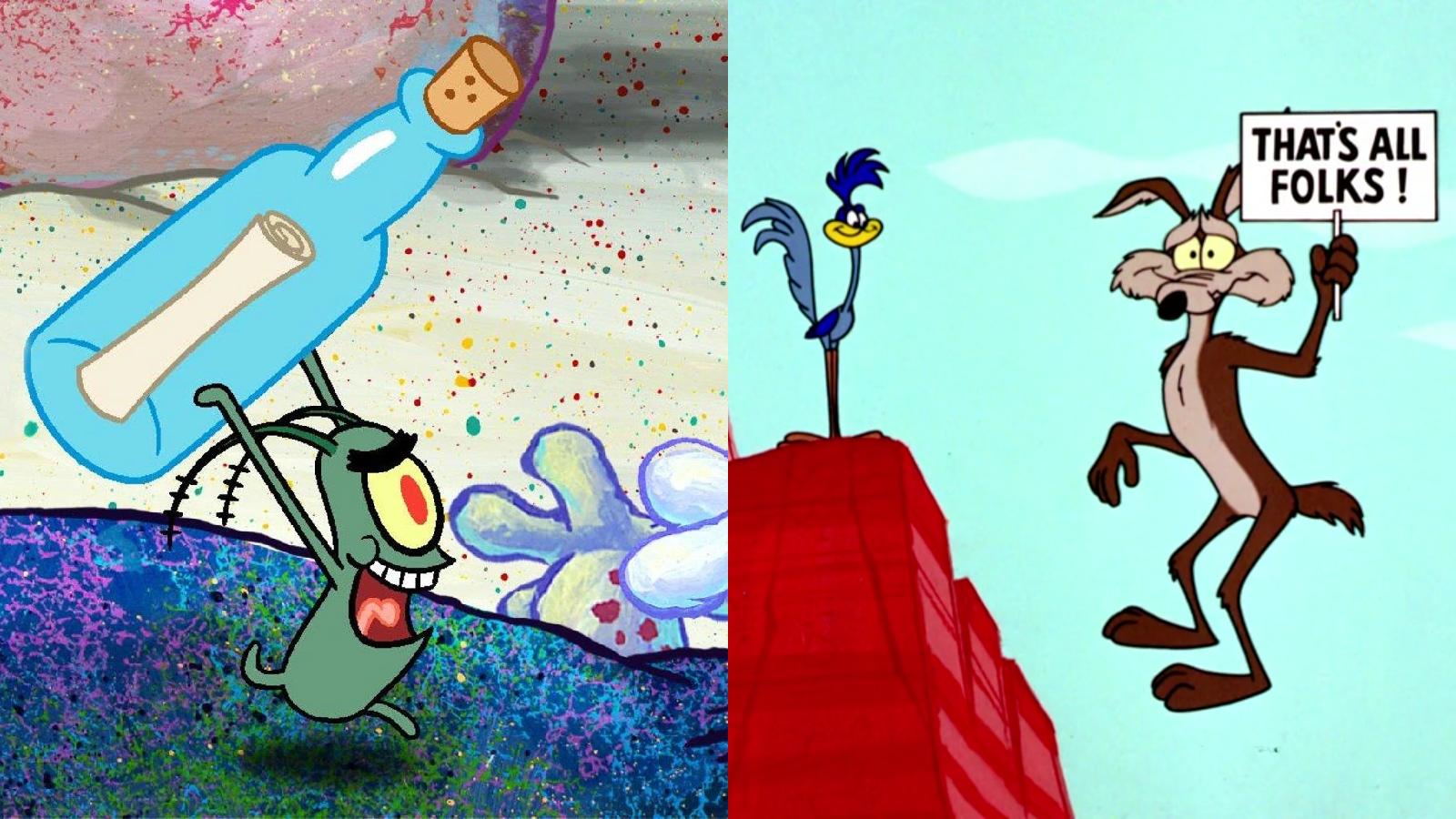
Still, the home of DC Comics, Looney Tunes, and CNN is for sale, either in whole or (as still planned) in two parts: Warner Bros. (the film studio, HBO, HBO Max, and the various properties—Batman, Bugs Bunny, “Game of Thrones,” etc.) and Discovery (the cable channels: CNN, Cartoon Network, TNT, etc.). So far, interested buyers include Paramount (fresh off of an already-problematic merger with Skydance), Comcast, and Netflix. Paramount wants to buy both Warner Bros. and Discovery; Comcast and Netflix are just interested in the Warner side. The home of SpongeBob SquarePants and “Star Trek” is considered the front runner, despite Warner rejecting several of their previous bids.
As I’ve repeatedly said on the blog before, I’m against all of these media mergers. These conglomerates are already too big as they are, and if anything could stand to be downsized/broken up. That said, Warner Bros. feels like the “private equity” of media conglomerates at this point, with how it’s been repeatedly sold, merged, mismanaged, and/or saddled with debt by a succession of indifferent or questionable owners.
Several years ago, I noted during the “Apple should buy Disney” talk that Apple buying Disney’s a ridiculous idea just so they can own some IP—it’s the equivalent of buying a supermarket to get paper towels. Tim Cook would be on the hook for everything from Disney, from dealing with irate Marvel comics fans to reordering “Star Wars” napkins at Disneyland to dealing with Jimmy Kimmel.
While Warner Bros. is smaller than Disney, they still own a large number of assets—I’d say much of corporate pop culture that Disney doesn’t own (with Comcast and Paramount making up most of the remainder). It’s not just “buying Warner Bros. = buyer will get to own Batman movies and ‘Game of Thrones’”; any future owner will have to deal with everything related to Warner Bros., barring any shuttering or spinning off properties. Below, I highlight some of the Warner Bros. assets any buyer will have to deal with.
DC Comics
Sure, Batman and superheroes in general are thought of by the general public (and Wall Street) as primarily TV and movie characters. But the Dark Knight’s also tied to DC Comics, one of the biggest comic publishers in the country. Any future owner will need to be prepared to run a comic company, and all that involves (variant covers, reboots, irate fans, direct market nonsense, etc.).
Out of the three contenders mentioned above, it’s unclear how they’d handle comics. That said, Paramount’s TMNT has had crossovers with Batman (in comics and animation). Netflix is also the home of the adaptation of the Vertigo “Sandman” series (now cancelled, for obvious reasons).
HBO and HBO Max
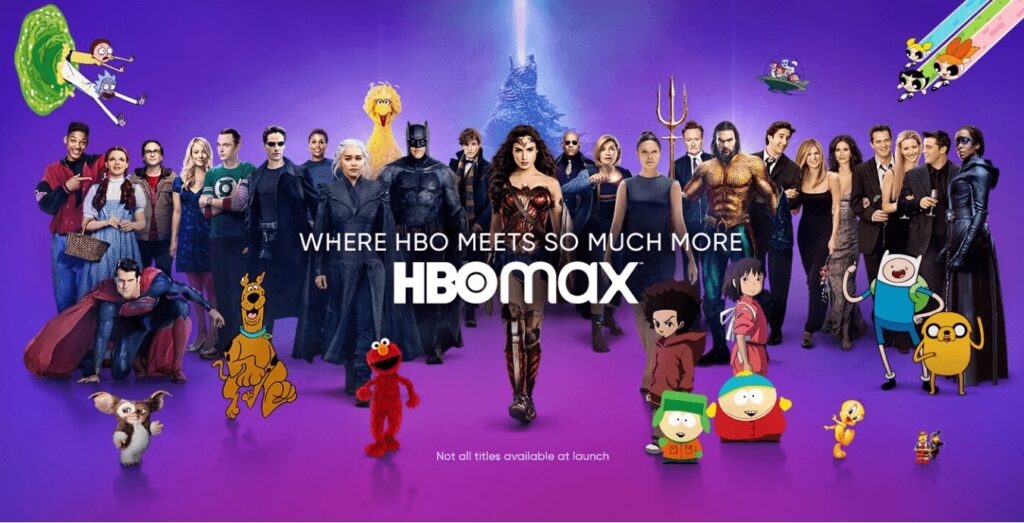
HBO’s still a popular premium cable channel, and the main basis for the HBO Max streaming service. While any future owner will get “Game of Thrones,” they’ll also need to handle other HBO properties. And then there’s HBO Max; while it’s a streaming service that’s seen better days, it’s still got a sizable number of subscribers, more than Paramount+ or Peacock.
While all of the contenders have streaming services, Netflix is hands down the de facto/most popular one, which might be an advantage? Paramount would see HBO joined with its old longtime premium cable channel rival, Showtime. Comcast would gain a more popular service than Peacock.
Linear cable channels
Warner Bros. is still planning to spin off the non-HBO cable channels into their own company (under “Discovery”), and saddling it with most of its debt. All this is on top of the declining state of cable TV and some of Warner Bros. Discovery’s dubious actions (losing NBA rights from TNT, letting Cartoon Network wither, etc.). There’s also CNN, which will be a big sticking point in any federal approval requirements—since Trump hates CNN for not being unquestioning yes men/stenographers.
Paramount is interested in buying both halves of WBD, including the cable channels. However, given Paramount’s rightward swing under its new owners, I can only imagine what they’d do to CNN. Comcast is planning to spin off its own cable side, so I doubt they’re interested in these channels. And Netflix has zero interest in running traditional linear TV channels; they would just want the Warner side.
Animation properties

Warner doesn’t just own “Batman and Bugs Bunny,” but a large volume of animation properties. When people think of a random stereotypical American cartoon, there’s probably a two-thirds chance it’s one from Disney or Warner Bros. Among the studios and properties any buyer will gain:
- Hanna-Barbera (Scooby-Doo, the Flintstones)
- Cartoon Network (The Powerpuff Girls, Steven Universe)
- Adult Swim (Aqua Teen Hunger Force, Rick and Morty)
- DC’s animation properties (Teen Titans Go, Batman)
- Tom and Jerry
- Looney Tunes
- Theatrical films (The Iron Giant)
- The Amblin co-productions (“Tiny Toon Adventures,” “Animaniacs”)
Warner Bros. has had a long history of mercurial or indifferent owners when it comes to animation (with David Zaslav the latest such owner), dating back to the heyday of Looney Tunes. From what I’ve read, the actual Warner brothers couldn’t care less about their own animation department. The fact their cartoons are classics seems more in spite of their corporate owners than because of them. As such, it’s unclear how any future owner will treat their cartoon properties.
Paramount has had some history with Warner’s cartoons—”Looney Tunes” and some of the 90s ones like “Animaniacs” aired on Nickelodeon for years. That said, I wonder if Warner’s cartoons would overshadow Paramount’s. (I like SpongeBob, but having Bugs Bunny as a corporate cousin…) There’s also that Paramount would own Nickelodeon, Comedy Central (“South Park”), and Cartoon Network/Adult Swim—most of the major cable TV outlets for animation.
Comcast would be adding all of this to their own properties: DreamWorks; Illumination; the “DreamWorks Classics” properties (a hodgepodge of secondary older properties: Rocky & Bullwinkle, Casper the Friendly Ghost, Underdog, etc.); and the Walter Lantz characters (namely Woody Woodpecker). It’s unclear what they’d do with suddenly owning Scooby-Doo or Harley Quinn; that said, Universal is famous for its horror films, so Scooby might be a decent fit.
Netflix has carried some of Warner’s cartoons in the past (especially the DC properties), so the Looney Tunes or Rick and Morty might fit in. Still, Netflix seems to be doing fine without owning major traditional IP: see “KPop Demon Hunters” (animated by Sony).
Merchandising
Any future owner of Warner Bros. will have to deal with merchandising. Fruity and Cocoa Pebbles cereal (featuring the Flintstones)? Batman T-shirts? “Harry Potter” movie merchandise (and, well, “Harry Potter” itself)? They’ll be on the hook for all of that and more.
Paramount and Comcast would be better here than Netflix, as they’re used to merchandising their own franchises. Comcast also has ties to “Harry Potter” via its Universal Studios theme parks, plus the films being mainstays on Peacock. (Yes, I know… *sigh*.) Meanwhile, Netflix seems to treat merchandising (and marketing in general) as an afterthought, outside of its most successful properties (“KPop Demon Hunters,” “Stranger Things,” etc.). Suddenly needing to deal with Tweety keychains sold at gas stations or premium DC Comics action figures for comic collectors might be quite a change. (“What the heck’s a ‘Batman Who Laughs‘?! It looks like the Joker shopped at a Hot Topic clearance rack.”)
Physical media
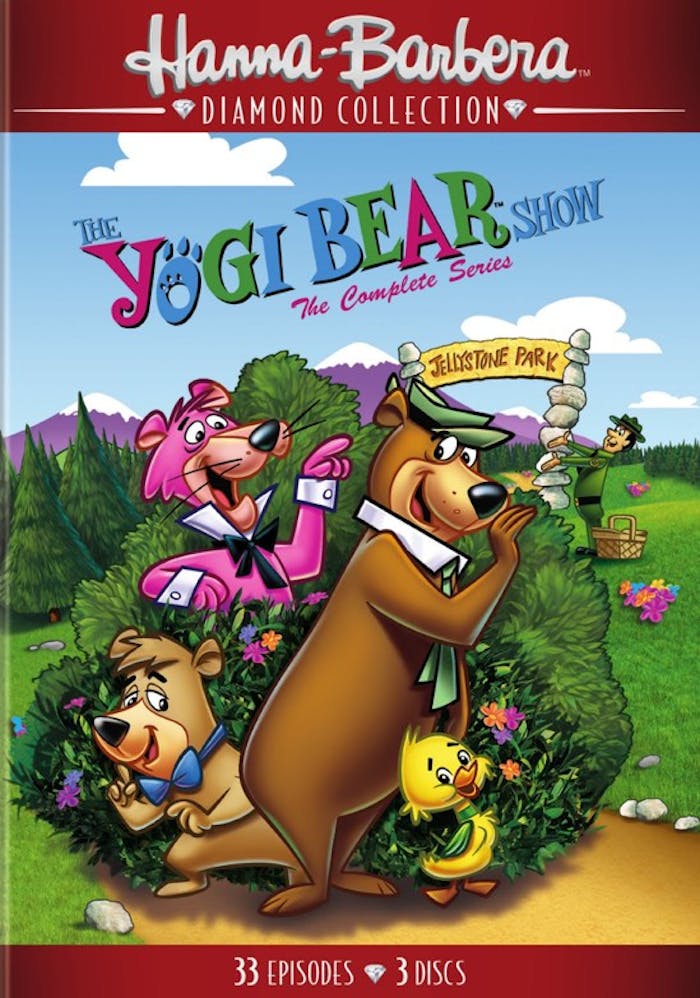
Physical media’s one of the few strong points of Warner Bros. nowadays. Their movies and most of their TV shows still see DVD and Blu-ray releases. Their back catalog, including their animation library, is also seeing releases through their Warner Archive subsidiary. It’s possible in 2025 to buy a mid-1960s Hanna-Barbera cartoon like “Magilla Gorilla” or “Frankenstein Jr. and the Impossibles” on Blu-ray.
Paramount still offers physical media releases, as my “Star Trek:TOS” movie Blu-ray set and “SpongeBob” DVDs can attest. Ditto Comcast, looking at my Blu-ray set of “How to Train Your Dragon.” Warner’s physical releases also are done via a company that’s co-owned by Universal.
Despite being founded as a DVD-by-mail rental service, Netflix unfortunately is indifferent or hostile toward physical media, with few of their originals seeing Blu-ray releases. They’re also infamous for having few classic movies on their streaming service. It’s unclear how they’d handle suddenly being in charge of Warner’s older catalog, or releasing it to physical media.
The movie studio
Finally there’s the movie studio itself. Warner Bros. has been on an upswing this year, with a series of successful films (“Superman,” “Sinners,” etc.).
Paramount or Comcast (who own Universal) would end up owning two of Hollywood’s classic big studios, something that’s had mixed results with Disney buying 20th Century Fox (now 20th Century Studios). But at least they have traditional theatrical film making as key parts of their businesses. Meanwhile, Netflix treats releasing films theatrically as a begrudging obligation for award season, or as an occasional brief moneymaker (see the Halloween weekend only theatrical release of “KPop Demon Hunters”). Their relationship with movie theaters also seems a bit strained. Netflix suddenly having to become a traditional theatrical filmmaker just so they can own “The Sopranos” and “Rick and Morty” would be quite a change.
Conclusion
Whatever happens, one thing’s certain: Warner Bros. will inevitably be sold to someone. I just hope whoever buys its assets treats them better than David Zaslav did.
Image: “Warner Brothers tour” by Alan Light is licensed under CC BY 2.0 (Flickr / cropped from original)
Related Posts