Last updated on August 12th, 2026
“Harry Potter” is seeing renewed recent attention, despite its popularity having peaked back in the 2000s. Warner Bros. has announced plans for a “Harry Potter” reboot for HBO, based on the novels by writer JK Rowling. Supposedly, the TV show will run over the next 10(!) years.
Related to this, earlier this week, the United Kingdom’s Supreme Court made a regressive ruling undermining transgender rights. The court ruled that the UK’s Equality Act of 2010’s legal definition of women doesn’t include transgender women. Newsweek and MSNBC state that Rowling has used part of her vast fortune (she’s believed to be worth about $1 billion) to fund the anti-transgender Scottish group that brought this case to court.
It’s bad that this ruling will greatly undermines transgender individuals’ rights in the UK. Not helping is the fact that Rowling’s transphobic views and fortune earned from “Harry Potter” helped make this happen.
Why “Harry Potter” is hard to boycott
Given all of this, many are advising people to boycott everything to do with “Harry Potter”: don’t buy the books, don’t go to the movies, don’t watch the upcoming HBO TV show, and so forth. While all this is good, trying to boycott “Harry Potter” has two major things working strongly against it: nostalgia for “Potter” in general; and Warner Bros., a media conglomerate that’s determined to make all things Hogwarts a cornerstone franchise.
Nostalgia
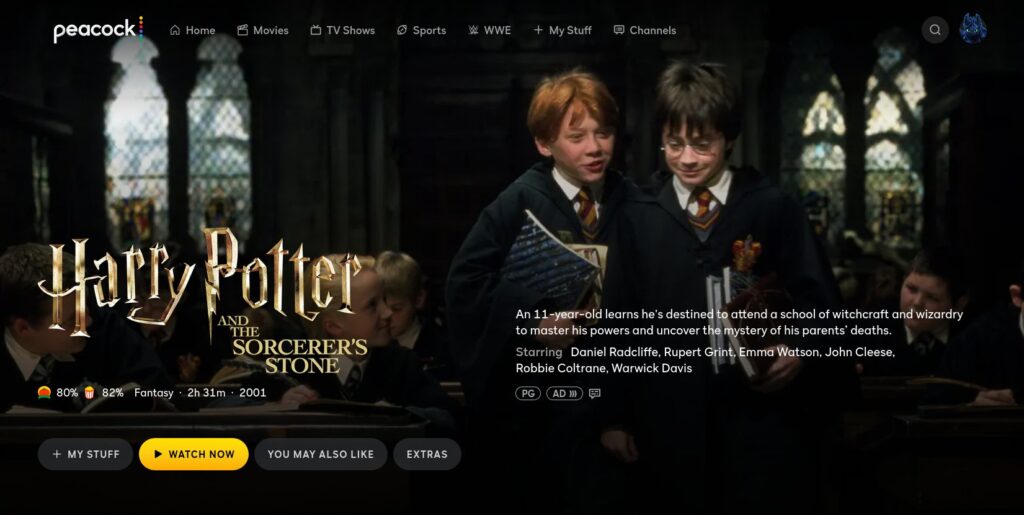
The first “Potter” book was published in 1997 (in the UK; it was published in the US in 1998); subsequently, the entire franchise saw a rapid boom in popularity in the 2000s. The books and movies were wildly popular, while the series’ characters became household names.
While “Potter”’s popularity’s long since peaked, it’s still left a deep presence on popular culture to this day. Unpopular or corrupt politicians have been compared to series villain Voldemort; people still discuss what Hogwarts house they belong in; I’ve read recently written books that refer to “Harry Potter” as shorthand for something involving magic; and the franchise is still prominent at Universal Studios’ theme parks, plus on streaming services (mainly Peacock and Max).
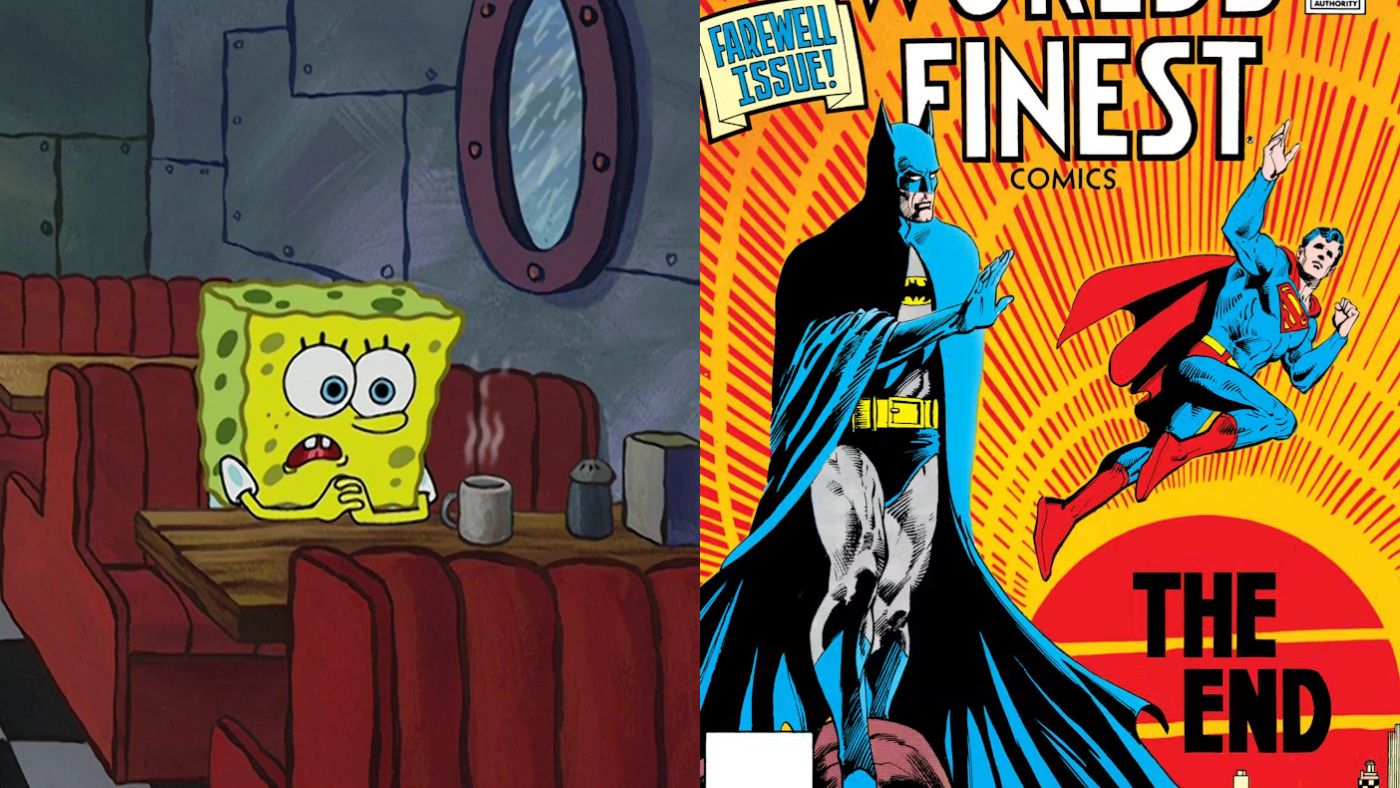
On top of all that, there’s all the Millennials that grew up with “Potter.” For them, it’s as much a part of their childhoods as “SpongeBob,” “Hanna Montana,” and other 2000s-era kids media. Suddenly being asked to ignore anything to do with “Potter” seems like a tough sell, even if the average person’s aware of or care about Rowling’s transphobic views. I’ve seen the term “separate the art from the artist” thrown about, though that seems hard to ignore for someone who’s still earning millions off her work.
Warner Bros.

According to Wikipedia, as of August 2026, “Harry Potter” as a franchise has earned a whopping $34.7 billion, making it the ninth highest grossing franchise of all time, between “Hello Kitty” (at #10) and the Marvel Cinematic Universe (at #8). (Note the numbers aren’t adjusted for inflation.) Warner Bros.’s “Potter” movies alone have earned $9.656 billion to date; as I note in my 100th anniversary of Warner Bros. post, that makes “Potter” the studio’s third highest-grossing franchise of all time, after Batman and “Looney Tunes.” And of course, “Hogwarts Legacy” was the top-selling video game of 2023.
On top of all that, Warner Bros. Discovery’s ownership has made clear it views non-adult animation (and “children’s programming”) as a low priority, including “Looney Tunes.” Warner also seems to have relatively few other major moneymaking franchises on par with “Potter”—and even they can’t rely on Batman for everything. (Or sporadic hit films like “Barbie” and ”A Minecraft Movie.”)
Given all of the above, that means Warner Bros. is determined to make “Harry Potter” a flagship franchise, come Hogwarts or high water. Never mind: they don’t fully own the rights; it keeps funneling money to Rowling; the franchise’s popularity peaked in the 2000s; the lackluster success of the “Fantastic Beats” spin-off films; and that today’s kids don’t seem as into “Potter” as kids 20 years ago (though “market to nostalgic adults introducing ‘Harry Potter’ to their kids” could be a strategy).
Thus, “Harry Potter” will stay in the public spotlight as long as there’s a major studio pushing it hard across all media.
Alternatives to Harry Potter
All of the above said, nobody’s particularly nostalgic for “The Cosby Show” these days, so an entire society ignoring old media that now has problematic ties is possible. On an individual basis, it’s also possible to ignore certain media. I don’t like “Friends” or “Seinfeld,” so I just ignore those, despite the absurd amount of attention those 90s sitcoms still receive. (Though I’ll note “Friends” is a pale imitation of “Living Single,” which preceded it by a year.)
Looking at similarly-grossing franchises “Barbie” and the MCU, alternatives to both exist. If I don’t want to buy Barbie toys, other dolls exist: “Monster High,” “American Girl,” “Bratz,” etc. Similarly, if I don’t want to watch the MCU films or Marvel stuff in general, DC is the obvious superhero alternative.
Similarly, alternatives to “Harry Potter” do exist; I’ve listed alternatives I could find or think of below. Unfortunately, they aren’t billion-dollar blockbusters like “Harry Potter,” or as high profile. Still, while Sabrina Spellman and Zatanna aren’t likely to push references to Voldemort and Dumbledore out of popular culture, they at least aren’t directly supporting transphobic creators or their efforts to undermine civil rights.
Various
- Media featuring Merlin, a public domain character. Dumbledore is just a loose Merlin pastiche anyway, so why not go for books, movies, etc. featuring the real McCoy (or sorcerer)?
Books/Comics
- Archie’s Sabrina the Teenage Witch.
- Boom! Studios series “Lumberjanes.”
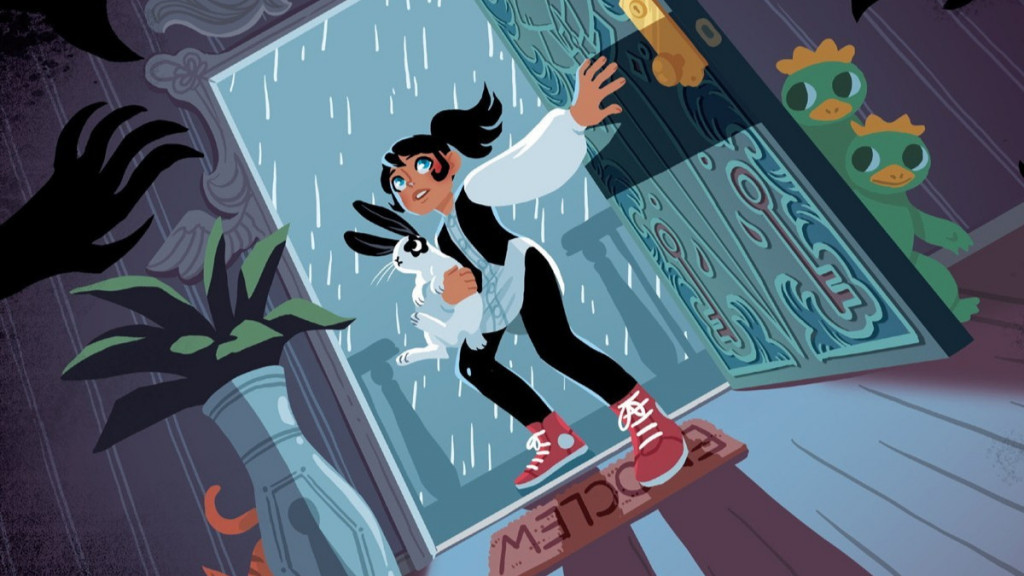
- The graphic novel series “The Backstagers.”
- San Francisco Public Library’s recommended fantasy graphic novels for kids.
- Book Riot: 15 Magical Books Like Harry Potter for Adults (Note: One book is by Neil Gaiman, but the rest of the list should hold up?)
- The Mary Sue: 20 Books Like Harry Potter to Read Instead of Supporting JK Rowling
- NBC: Harry Potter Alternatives: Trans-inclusive Fantasy and Sci-fi Books
Movies/TV
- CBR: The 25 Best TV Shows to Watch If You Like Harry Potter (Note: One show is “Buffy the Vampire Slayer,” which of course has ties to Joss Wheldon.)
- CBR: 10 Best Magical School Anime, Ranked
Video Games
Magic-related characters and franchises Warner Bros. fully owns
Below are several family-friendly magic or magic-like characters and franchises that Warner Bros. fully owns. Thus, they wouldn’t have to share profits with anyone, including transphobic British writers. These characters and franchises range from slapstick to dramatic.
- DC Comics:
- Zatanna, probably DC’s most famous magic user.
- Dr. Fate, a member of the Justice Society.
- Raven, of “Teen Titans” fame.
- Amethyst (from the “Gemworld” series).
- Alley-Kat-Abra, a feline sorcerer who’s a member of funny animal superhero team the Zoo Crew.
- Hanna-Barbera:
- Winsome Witch, a 1960s character who’s a zany but cheerful witch. Among other cameos over the years, Winnie reappeared in the 2020s “Jellystone!” series with a British accent.
- Looney Tunes:
- Cartoon Network:
- Movies:
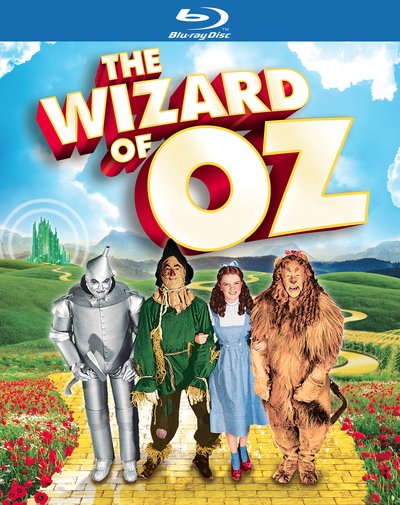
- The Wizard of Oz (1939 film adaptation). Warner Bros. owns the classic MGM film adaptation of “The Wizard of Oz.” Out of the ones on this list, “Oz” is probably the best choice as a “Potter” replacement, for the following reasons:
- It’s a franchise that the general public knows and likes, and Warner owns its most famous media incarnation.
- The original books are a source of lore that could be mined for material. Baum’s books (and some of the authorized post-Baum books) are also in the public domain, so no writers to share profits with (as cynical as that sounds).
- Any problematic or dated elements can be easily ignored, altered, or updated.
- It stars a kid character (Dorothy).
- A heavy magic emphasis.
- The film version features one of American movies’ most famous villains, the Wicked Witch of the West.
- Disney’s various public domain adaptations and the popularity of “Wicked” show that this could be a money-maker for Warner Bros…. instead of using it for literal AI slop.
- The Wizard of Oz (1939 film adaptation). Warner Bros. owns the classic MGM film adaptation of “The Wizard of Oz.” Out of the ones on this list, “Oz” is probably the best choice as a “Potter” replacement, for the following reasons:
Conclusion
Overall, trying to avoid “Harry Potter” has its challenges. Boycotts are up against widespread cultural nostalgia for the franchise and a major media conglomerate relying on “Potter” as a revenue source. Still, alternatives do exist; you can get your fill of wizard schools, kids having magical adventures, and so on without needing to give financial support to a transphobic writer.
Related Posts