Apple held its annual fall keynote earlier this week. A few differences from previous keynotes include this being the first one headed by Apple’s new CEO, John Ternus.
Below are my thoughts on the more prominent product announcements.
The iPhone 18 Pro and Pro Max (but no base iPhone 18) launch
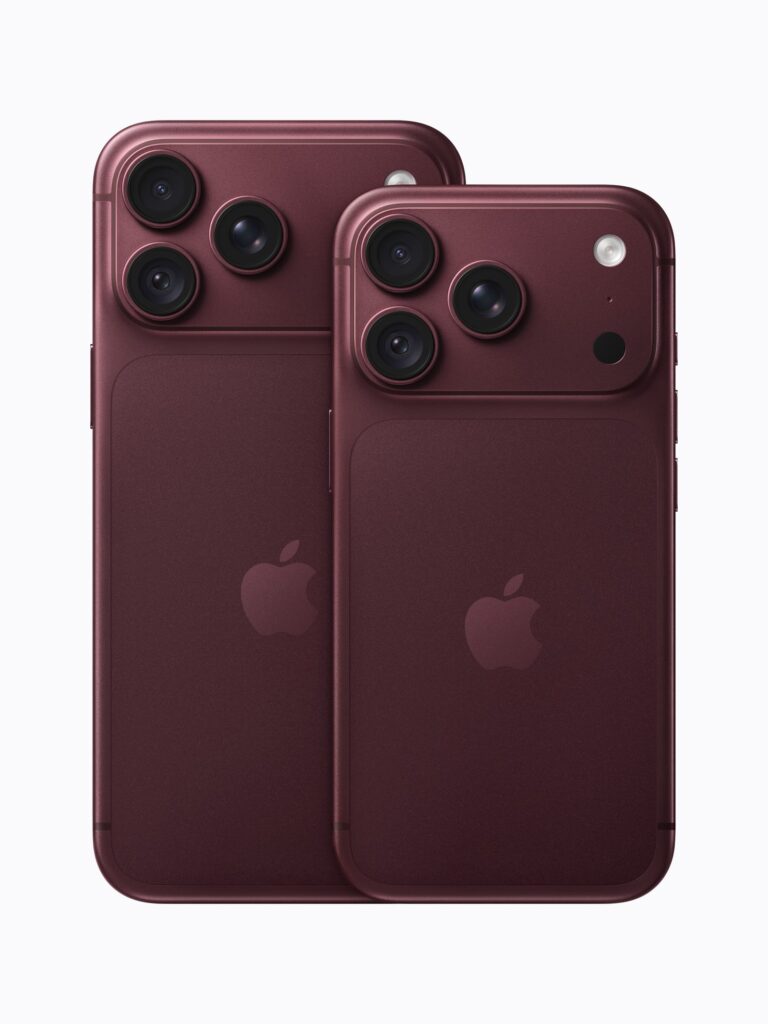
Available for preorder today (and on sale September 18), the 18 Pro and Pro Max are the newest top-tier iPhone models. There’s not much to discuss about them—just the usual incremental updates one would expect over the 17 line, though they’ve dropped the orange color option. However, given the ongoing RAM shortages (thanks to the AI craze), they now cost more than the previous Pro models: the 18 Pro starts at $1,199, and the 18 Pro Max at $1,299.
The biggest change from previous years: Apple didn’t announce a base iPhone 18 model, or a replacement for the entry-level iPhone 17e. As such, the iPhone 16, 17, and 17e are the other models currently available. Supposedly, Apple will release a base iPhone 18 early next year. Apple coverage site 9to5Mac theorizes Apple didn’t want to overshadow the launch of their newest model (the iPhone Duo), as well as pressure from the ongoing RAM shortages.
The debut of the iPhone Duo
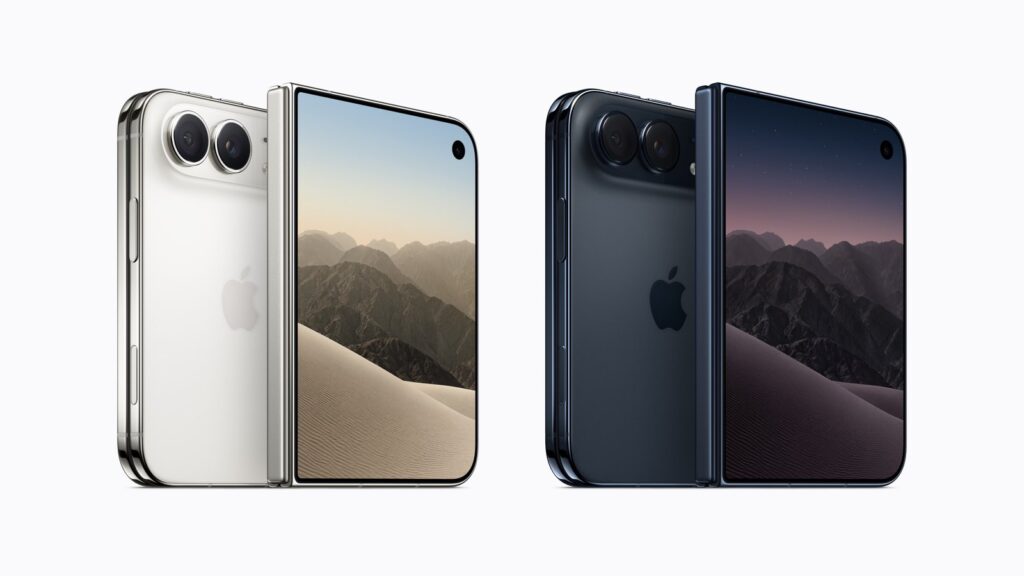
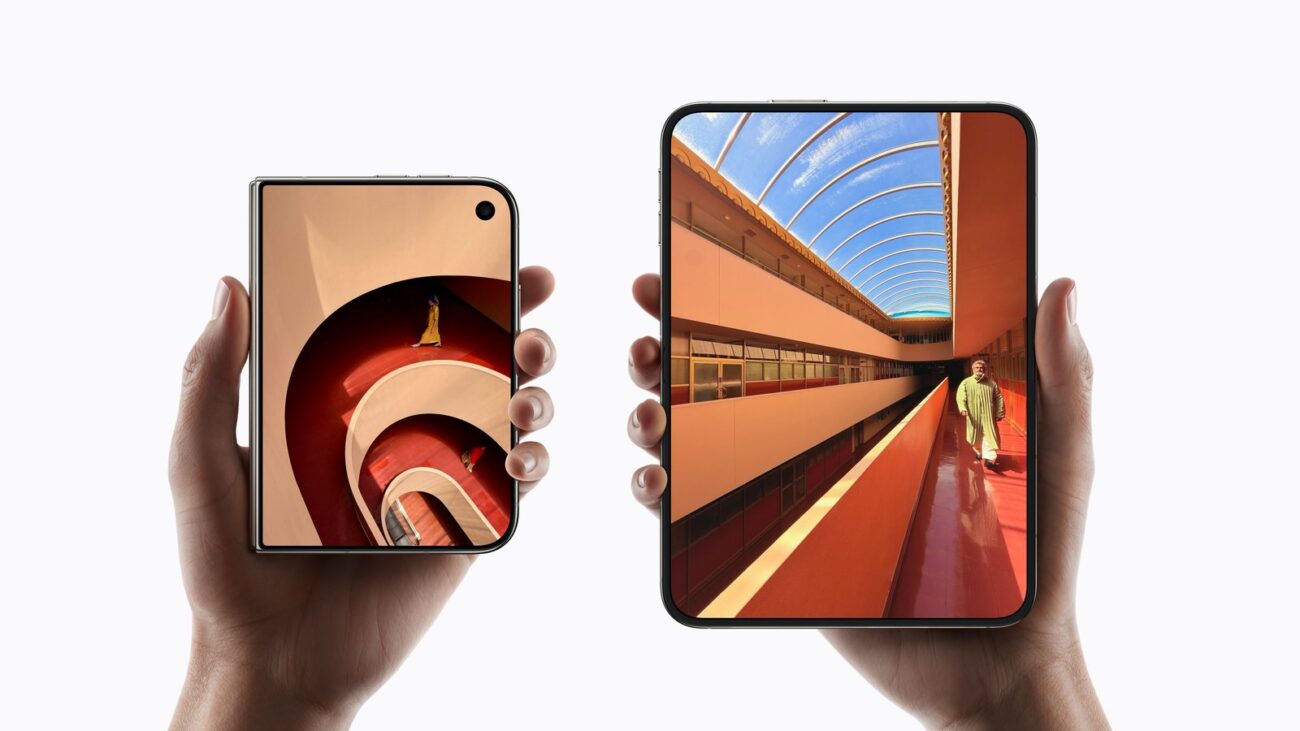
The biggest news of the day is the launch of the iPhone Duo, Apple’s first entry in the folding phone market. The Duo comes with three screens (two interior, one exterior), and some extra features to take advantage of the new screen size. Folded, the Duo’s outer display offers a 5.4-inch screen; unfolded, the full screen offers a 7.6-inch Retina display. The Duo has Touch ID, not Face ID. The Duo starts at $1,999 (for 256GB of storage); preorders start on October 16, and the Duo goes on sale October 23.
Given the Duo’s near-iPad mini size, Duo owners won’t need a separate tablet… one of the appeals of folding phones. The Duo also means folding phone fans won’t be forced to go with an Android phone.
In my case, I don’t have any interest in a folding phone. For starters, I already have a tablet. Also, at $2,000, I could replace a handful of my current electronics with newer models, even at AI-inflated prices. Two grand would let me buy a mid-tier Samsung Galaxy A57 smartphone ($550), a mid-tier Samsung Galaxy A11+ tablet with 8GB RAM/256GB storage ($380); and a base model M6 Mac Mini ($900), totaling $1,830. (Or $2,018 after sales tax around here.)
Apple Watch, now with… audio recording?
On the Apple Watch side of things, Apple announced the Watch Series 12, which comes with the usual health-related features. However, the most talked-about new feature is “Audio Intelligence,” which allows the Watch to make an audio transcript of the previous 15 seconds of conversation it’s overheard. Of course, Apple claims a number of security aspects will come with this feature (opt-in, local processing, etc.); also, the new feature’s not available in the European Union, which has stricter data privacy laws than the US.
Needless to say, Audio Intelligence hasn’t gone over well online, going by backlash I’ve seen. While Audio Intelligence might be useful for those with some disabilities, it still comes off as possibly privacy invasive.
Across-the-board price hikes
Apple also made an unwelcome announcement: they’ve hiked the price on all their iPhone models by $100. As such, the entry-level model, the iPhone 17e, now starts at $699.
Of course, the ongoing RAM and storage shortages are no thanks to the AI craze. That said, Apple’s sitting on a large pile of reserve funds—they’re hardly hurting for cash. And of course, they’re also to blame for taking part in the AI craze, even if much less aggressively than Google or Microsoft; “Siri AI” was promoted a lot at this year’s keynote.
Image: The iPhone Duo closed and open. (Apple)
