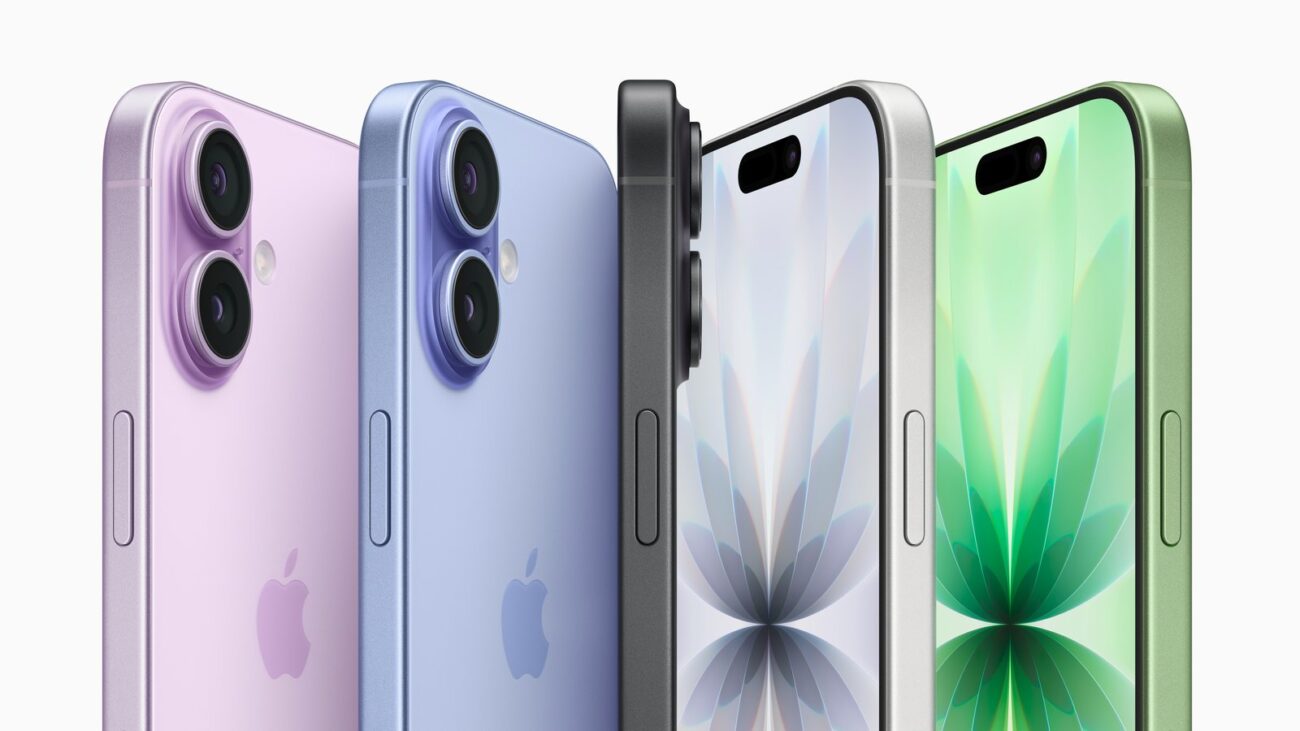
Apple held its annual fall keynote earlier this week, focused largely on their iPhones and Apple Watches, including the launch of the new iPhone 17 line. As per the norm these days, the keynote was largely incremental updates on the hardware, as well as the usual “Apple Intelligence” (AI) stuff nobody wants, beside Wall Street and Silicon Valley. (Though Apple seems less aggressive about AI than Google, if it’s any consolation.)
Below are my thoughts on the iPhone side of the keynote. The Verge has a summary of everything announced.
The iPhone 17 line and iPhone Air launch

Apple formally launched the new iPhone 17 line of phones. Models include: the base iPhone 17 (starting at $800); the iPhone 17 Pro (starting at $1100); the iPhone 17 Pro Max (starting at $1200); and the new iPhone Air model (starting at $1000). Specs for all of these models include:
- The A19 chip (iPhone 17) or the A19 Pro chip (all other models).
- 120 Hz display refresh rate.
- IOS 26.
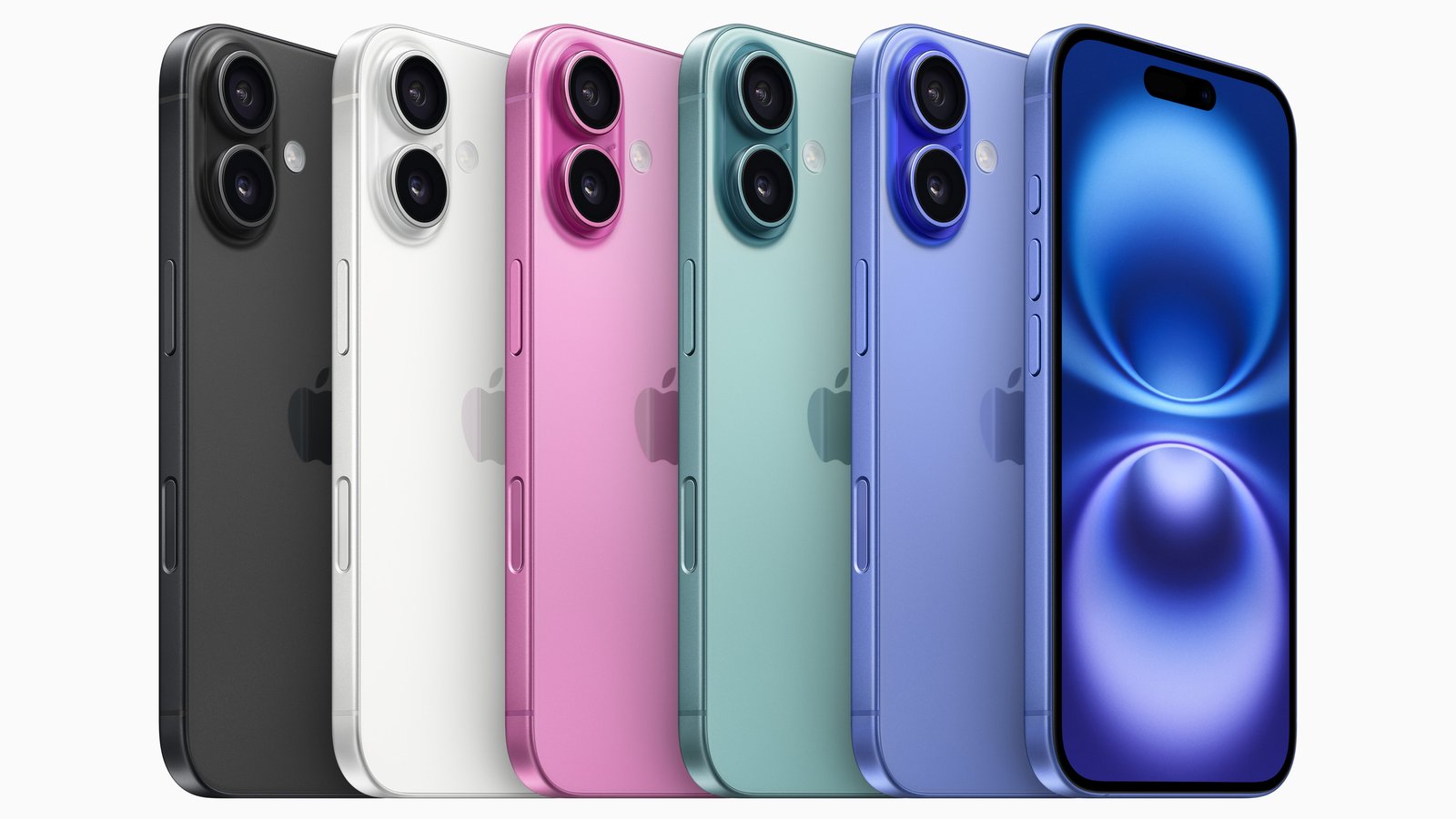
- Five colors for the iPhone 17 (lavender, sage, mist blue, white, and black); four colors for the iPhone Air (sky blue, light gold, cloud white, and space black); and three colors for the Pro/Pro Max (cosmic orange, deep blue, and silver).
- eSIM support only (no physical SIM cards).
- Support for taking portrait or landscape photos/videos without physically turning the phone.
- A base storage of 256 GB. This is a welcome improvement, especially since iPhones lack a SD card slot.
- 6.3 inch screens for the iPhone 17 and 17 Pro; a 6.5 inch screen for the iPhone Air; and a 6.9 inch screen for the the iPhone 17 Pro Max.
- For battery life, the iPhone 17 has up to 30 hours of video playback, compared to 27 hours for the iPhone Air, 33 hours for the 17 Pro, and 39 hours for the 17 Pro Max.
Is the iPhone Air worth it?
The iPhone Air’s main selling point, per the “Air” name, is its thinness. Never mind that nobody was particularly clamoring for a thin smartphone, of course; most people are much more concerned about battery life.
Unfortunately, the thinness means a shorter battery life for the Air, to the point Apple also announced it’s selling an external battery pack (at $100) as an iPhone Air option. Unless you really need a thin iPhone (that’s likely going into a case anyway) or the slightly-bigger-than-the-base-model screen, I’d definitely skip the Air and buy the regular 17 (saving $200).
The new low-end phone: the iPhone 16e
The new low-end phone sold is the iPhone 16e. The phone starts at $600 (with 128 GB of storage), has a 6.1 inch screen, and comes with an A18 chip. The 16e debuted last February, and replaced the long-running iPhone SE. It also means all of Apple’s phones now come with a screen size in the six inch range, which might not please those wanting a smaller phone (the discontinued SE has a 4.7 inch screen).
Apple’s also still selling the regular iPhone 16 (introduced last year), if one wants something better than the 16e but cheaper than the 17. (The iPhone 16 costs $700.) The 16 Plus is also still available, though at $800 (and with 128 GB of storage), you might as well get the 17.
As of this week, the following models have been discontinued, though all are still supported by current versions of iOS. You might also still find them on sale through a carrier at a steep discount:
- iPhone 15
- iPhone 15 Plus
- iPhone 16 Pro
- iPhone 16 Pro Max
The keynote itself
Here’s a link to the full keynote (clocking in at over an hour), as well as The Verge’s edited summary (at 16 minutes).
Image: Apple iPhone 17. (Apple)
Related Posts