Last updated on September 1st, 2026
Like anime, manga, or Japanese comics, has become a mainstream medium in the United States in recent years. Since the 2010s, it’s become one of the dominant non-direct market (i.e. non-comic shop) forms of comics sold, far eclipsing traditional American mainstays DC Comics and Marvel (though the “Big Two” still dominate direct market sales). The New York Times’ best seller list this month lists manga making up at least a third of the top 15 spots.
Below, I look at some reasons why manga’s become popular. I note many of the reasons are the same as why anime is popular, as I covered in a previous post.
American comics are just as “weird” as Japanese manga
I’ve seen people criticize manga for similar reasons as anime: they’re “weird foreign comics featuring characters with giant eyes.” Manga traditionally being read from right to left, per how Japanese is written, also throws some people off.
Still, as I noted for anime and Western cartoons, American comics’ premises aren’t any less “weird” than manga premises such as “magical girls fight evil.” To snarkily deconstruct the most famous American comic characters’ premises:
- A guy who’s basically “Space Hercules” (with “Space Moses” as an origin story) has a long list of superpowers because the sun’s a different color from his home planet (and in some versions, also Earth’s lower gravity). He’s vulnerable to a radioactive rock from his now-destroyed home planet light years away, yet much of said rock manages to show up on Earth anyway. Also surviving said planet’s destruction: his family’s dog, his cousin, and various criminals. His archenemies include a smart bald guy, an evil alien android, and a magical imp.
- An angry billionaire dressed like a vampire (despite a supposed “bat” theme) fights crime via using martial arts on, and throwing bat-shaped boomerangs at, criminals with firearms. He also has a long list of teenage sidekicks. His city in modern stories is every negative New York City stereotype turned up to 11, and is in said shape despite his years of crime-fighting and Jeff Bezos-level wealth. Enemies include: an evil clown who’s just a one-note slasher film killer at this point; a guy dressed like the Mr. Peanut logo; a shape-shifting pile of mud; and a masked luchador. Half of his villains have punny civilian names.
- A princess from an all-women hidden island fights evil threats using (most famously) a magical piece of rope. She also has an invisible plane despite being able to fly on her own. Enemies include several Greco-Roman deities and a woman in a cheetah costume.
- A geeky guy gets bit by a radioactive arachnid, and uses his resulting powers to fight crime while cracking jokes. His enemies include: a burly man with mechanical arms; an old guy dressed like a vulture; an alien black blob with a giant tongue (who got popular enough to get their own spin-off media); and two guys who use a vague “goblin” theme, which pumpkin bombs and rocket sleds somehow tie into.
- A scientist gets exposed to radiation and turns into a super-strong green monster when he’s angry. Said monster famously speaks in the third person. Enemies include the US military and several similarly-powered characters who don’t speak in the third person.
- A group of grade-schoolers have philosophical thoughts while engaged in hijinks. The characters include: a depressed boy who’s considered a “blockhead” by even his friends; his dog who sometimes imagines he’s a World War I flying ace; a cranky girl; the cranky girl’s philosophical kid brother (who’s the depressed boy’s best friend); and a boy who can somehow play a toy piano like a real one. All of them, including the dog, play on the depressed boy’s perennially-losing baseball team.
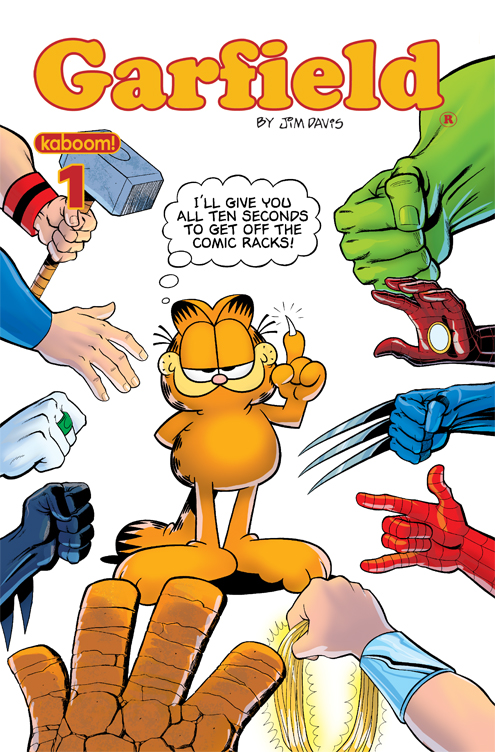
- A sarcastic, lazy orange cat with a voracious appetite teases his fellow pet (a dumb dog with a giant tongue), an obnoxious cute kitten, and his nerdy cartoonist owner. Said owner’s supposedly a “loser” despite being successful by cartoonist standards: he has his own house without roommates (save very early on), owns a car, takes vacations, and can afford to feed his cat’s gigantic appetite. A running gag is the cat repeatedly trying to mail the kitten to a Middle Eastern city.
Compared to all of the above, I’m not sure how famous manga like “One Piece,” “My Hero Academia,” or “Haikyu!!” are any weirder as concepts. Of course, like the anime backlash, there’s also xenophobia (and likely racism) involved in some of the manga backlash.
The popularity of anime

Anime’s popularity is definitely reflected in manga’s popularity. Western superhero TV shows and movies seem to not move the needle much on getting the general public to read or care about their comics. Meanwhile, manga seems to benefit from anime spin-offs becoming hits.
Changing American demographics
Gen Z and younger Millennials have grown up with anime as an accepted and normal category of animation; the same goes for manga and comics.
Manga’s influence on American comics
Manga’s had an influence on American comics, in terms of art styles and some storytelling techniques. There’s also been some manga-style American comics; Archie’s ‘Sabrina the Teenage Witch” had a lengthy run as a manga-style series, complete with an ongoing story arc.
Easier access via the internet and bookstores

The internet’s definitely made manga easy to access, even if initially part of such was via fan-translated piracy sites. Manga publishers eventually started selling their own English translated stories through their own channels, with Viz even offering a cheap digital subscription service.
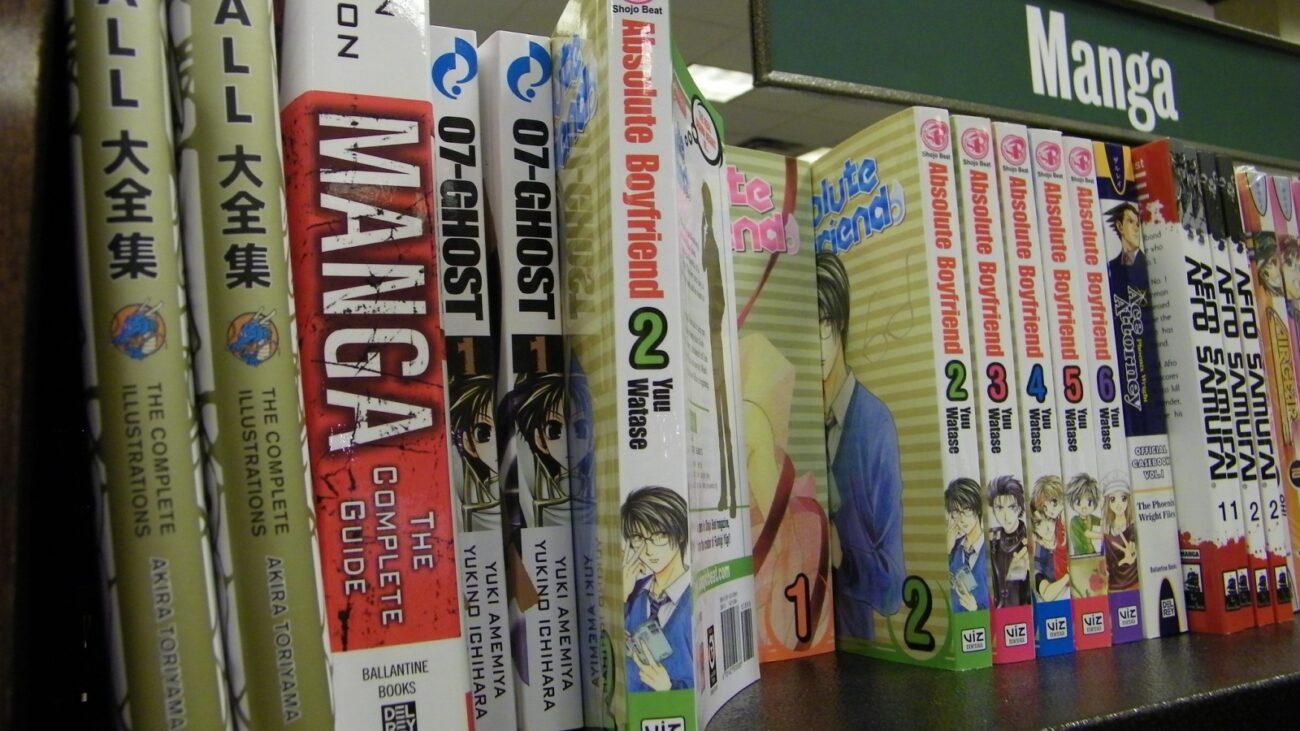
Manga’s also easily found in mainstream bookstore channels. Anecdote: on my visit to Barnes and Noble last weekend, I walked through their large manga section, which is visible from the main entrance; some books even have staff recommendations.
As such, it’s not surprising to guess the winner between “going to a specialty comic book shop” (which might not be the most convenient or friendly places) versus “going to Barnes and Noble or a local bookstore” (or ordering online from Amazon).
Manga’s cheap
Manga has another big advantage over traditional American comics: they’re often cheaper. Stories are collected and published in small paperback formats, and in black and white (keeping costs down). As an example, Viz sells “Naruto,” volume 1 as a 192 page black-and-white volume for $12.
Contrast that to American comics. While trade paperbacks and graphic novels are pretty cost effective, there’s still a lopsided emphasis on single issue comics, which are easily the least cost-effective form of media I can think of. Singles were meant for either short stories or as something inexpensive; in their current use by DC and Marvel, they’re neither. Looking at DC’s October 2025 solicitations, “Action Comics” #1091 costs $5, while its variant cover runs $6; the same goes for “Detective Comics” #1102. Superman and Batman’s solo titled books run $4 each, but that’s still expensive. And since modern superhero comics rely a lot on crossovers, ongoing stories, etc., following these characters isn’t cheap if you insist on not waiting for trade paperback or digital subscription service releases.
Manga’s easier to follow than American superhero comics
Manga also is easy to start reading; for the most part, just start with volume one of a series and go from there. While that’s still a lot to ask for some long-running series like “One Piece” (which is up to volume 109), it’s at least theoretically possible.
Meanwhile, superhero comics are infamous for constant retcons, reboots, series renumberings, and complicated storylines. That along with the multiple books make it hard to point to where one should start reading.
Superheroes are now only TV and movie characters to the general public
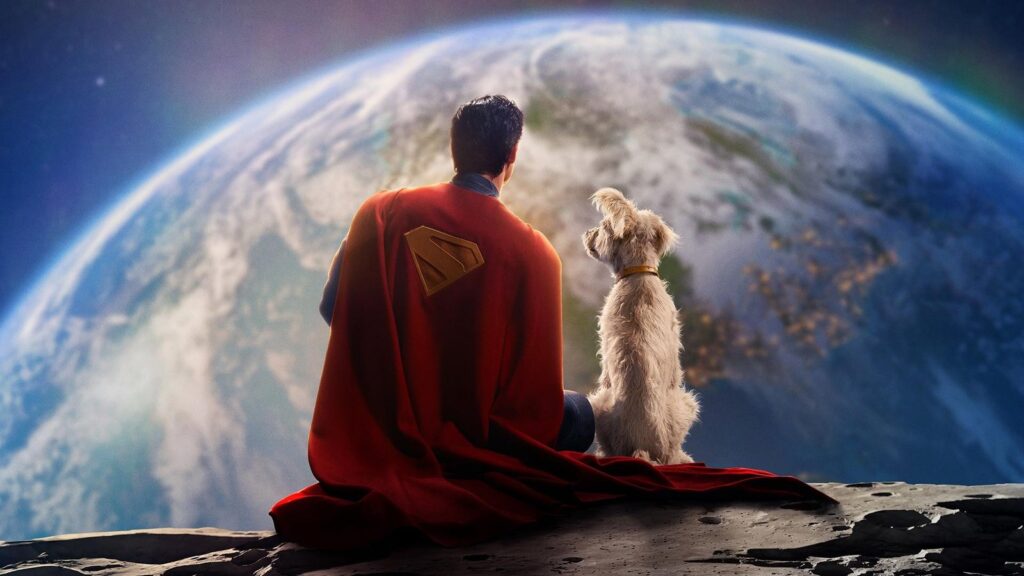
As far as the general public’s concerned, superheroes are only seen as TV and movie characters. And why not? One can easily get their fill of Batman or the X-Men from the numerous TV shows and movies. Said TV shows and movies have straightforward narratives, clear starting points to watch, are easily and affordably available, come in whatever tone one wants (from Adam West to Kevin Conroy to Christian Bale), and are more general public friendly. As I noted before, when the general public thinks of Superman and Spider-Man, it’s nearly always the versions from movies and TV; mentioning any comic figure besides Stan Lee will likely get a blank stare.
Contrast that to superhero comics, who’ve made themselves mostly irrelevant to anyone but hardcore fans, for the reasons I listed above. DC and Marvel do publish some kid-friendly or new-reader-friendly graphic novels, but the vast majority of their comics are clearly aimed only at existing teen/adult fans. Superhero comics for most people these days seem to be “those things they read as a kid,” “something speculators buy to make money,” “they still make those?,” or “what characters in sitcoms like ‘The Big Bang Theory’ like reading.”
Manga offers a variety of genres
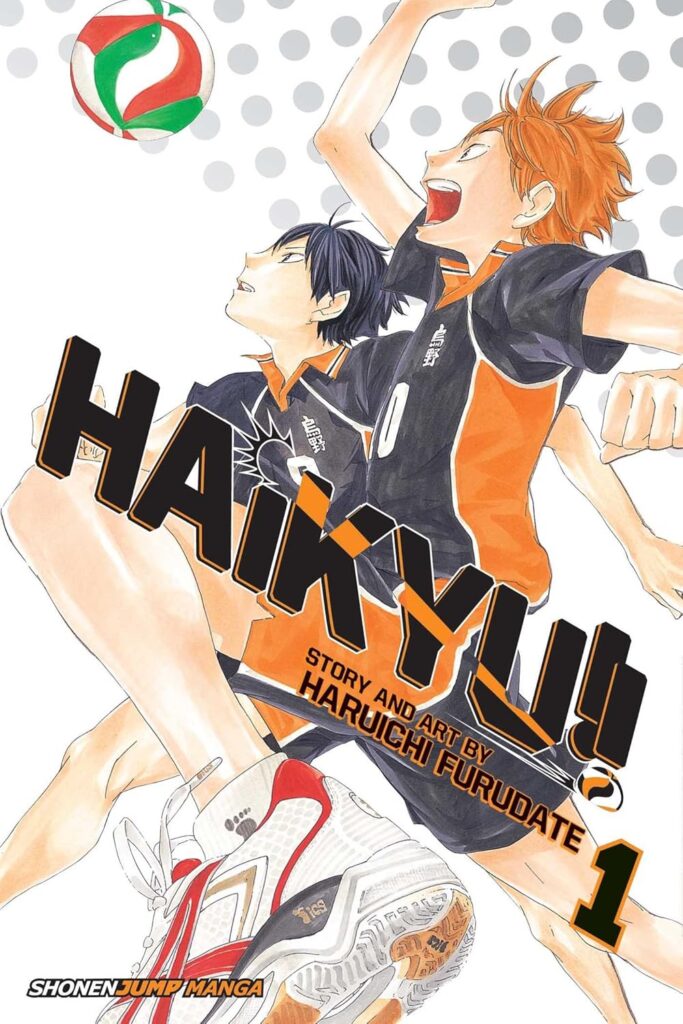
Manga offers newer concepts and genres not seen in American comics.
For example, sports manga is a major manga genre; soccer, basketball, baseball, volleyball, tennis, and more all have manga series. Said manga will also sometimes get anime spin-offs.
Meanwhile, the only sports you’ll see in most American comics are in secondary roles. Batman might occasionally investigate illegal football gambling, or Archie might sometimes play basketball, but said sports are just secondary to those characters’ main genres (superheroes, teen humor). There’s some American graphic novels and webcomics that center around or incorporate sports (such as the hockey-themed gay romantic comedy “Check Please”), but it’s still not to the same degree as what manga offers.
Conclusion
Overall, manga has become a major presence among American comic readers, and for good reason. Manga offers: a wide range of characters, concepts, and genres not seen in American comics; they’re inexpensive and easy to follow; most younger readers have grown up with anime, and thus manga doesn’t seem “weird” or “foreign”; and superheroes to the average person are just TV and movie characters, not comic ones.
Do you have any favorite manga series?
Image: “Bowling Green, KY Barnes & Noble Manga Section” by djzippy is licensed under CC BY 2.0 (Flickr / cropped from original)
Related Posts