Last updated on September 1st, 2026
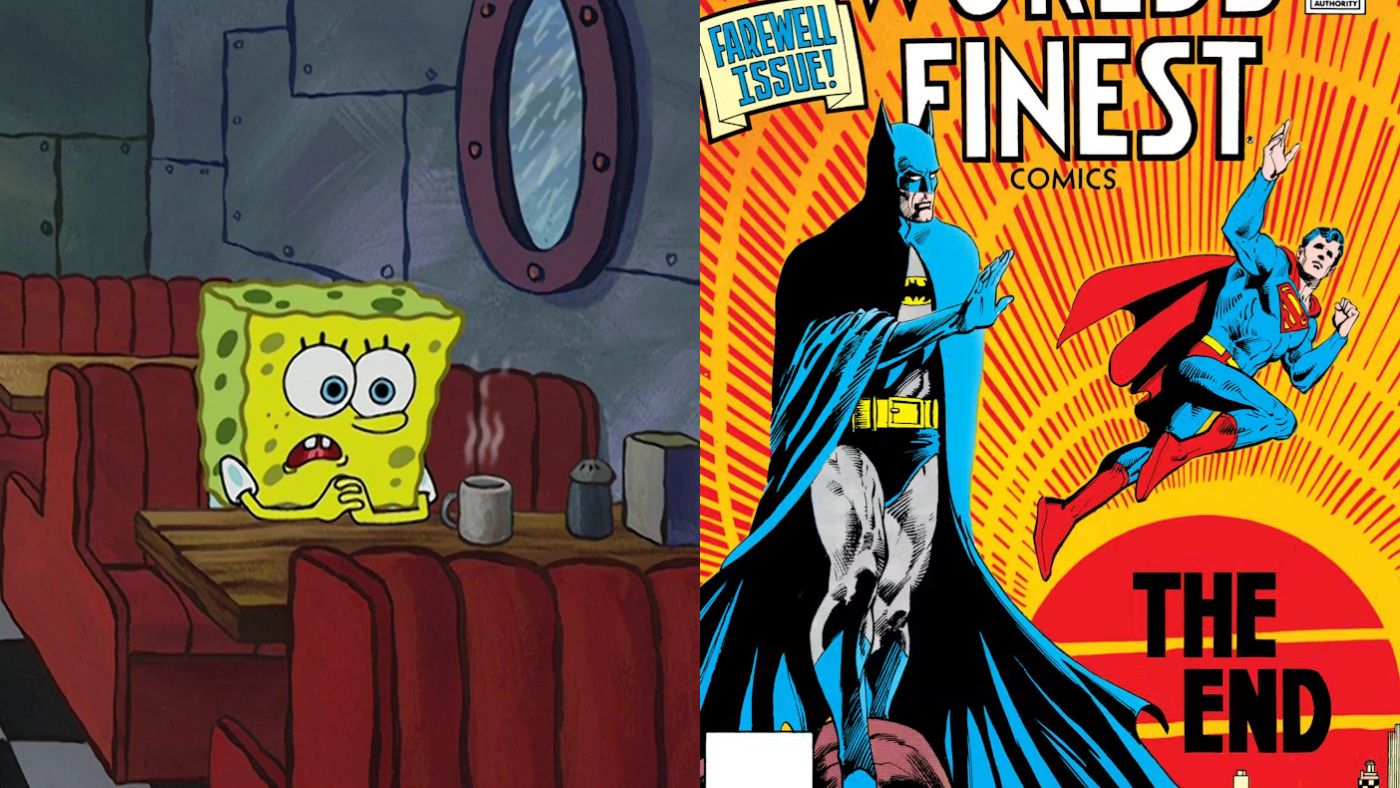
Anime acceptance in American media and society has grown a lot in recent years. Until the 2000s or 2010s, anime was treated as something niche or secondary to Western cartoons at best. I can recall seeing people online claim anime wasn’t “real cartoons,” or that Japanese animation was “those weird foreign cartoons with giant eyes.” Never mind that a lot of American cartoons, including ones I like, are also “weird” when thinking about their premises. Looking sarcastically at the premises for some of the most famous American cartoons:
- A bunch of sentient talking animals (and a few humans) spend 90% of their time trying to eat, scam, harass, and/or kill each other. The biggest stars include a quick-witted rabbit with a New Yorker accent, a ditzy and self-centered duck, a feral Australian marsupial, and a fast-moving obscure cuckoo bird species.
- A cheerful human-sized mouse, a klutzy talking dog, an angry hard-to-understand duck, the girlfriends of the mouse and duck, and a non-sentient dog who’s a pet of the mouse/coexists with the talking dog, get into hijinks. The mouse is the world’s most famous cartoon character.
- Four teens (a jock, a rich girl, a brainy girl, and a hippie) plus their hard-to-understand talking dog solve “supernatural” mysteries. Said mysteries nearly always involve criminals dressed as monsters versus actual ghosts, vampires, etc. Despite a premise based on skepticism, nobody finds it odd the dog can talk.
- A dumb, beer-swilling bald guy chokes his bratty son as a running gag, and has misadventures in a zany town. Most of the plots involve pop culture references, satire, and/or something “ironic” happening on cue. The townspeople include a snarky clown who hosts a kids’ TV show, a surly bartender, and a somewhat stereotypical Indian store clerk. Most of the characters are colored yellow for no reason.
- Cavemen live like present-day people via using animals as household appliances and powering their cars with their feet. They also (somehow) celebrate Christmas, versus the winter solstice. There’s also multiple bad rock or prehistoric puns. Half of the plots revolve around a boorish, loud-mouthed caveman’s ill-conceived money-making schemes, to his wife’s dismay. Despite being based on “The Honeymooners,” it’s become a much more popular show.
- A cat and a mouse try to disembowel each other. Occasionally a hulking beast that’s supposedly a bulldog tries to tear the cat apart. The mouse is treated as the “hero” despite being a food-eating invasive pest (and a reminder why humans domesticated cats).
Compared to these, “magical girls fight evil” or “cute animal-like creatures engage in fights with each other” doesn’t sound any “weirder.” Granted, I suspect some of the older anime backlash was from xenophobia and/or racism. The 1980s especially saw fears of Japan supposedly “taking over” economically and culturally.
Still, we’ve gone from anime being treated as a weird nerdy niche to seeing Pikachu balloons in the Macy’s Thanksgiving parade, plus a CBS sitcom (as mainstream as things get) having a whole episode centered around “Dragon Ball.” But why has anime’s status changed? While I’m not an anime expert (or heavy viewer), I did ask others online, plus did some research, along with relying on personal experience and anecdotes. Below, I’ve listed what I feel are the major reasons why anime’s now become mainstream.
The popularity of “Pokemon” (plus “Dragon Ball Z” and “Sailor Moon”)
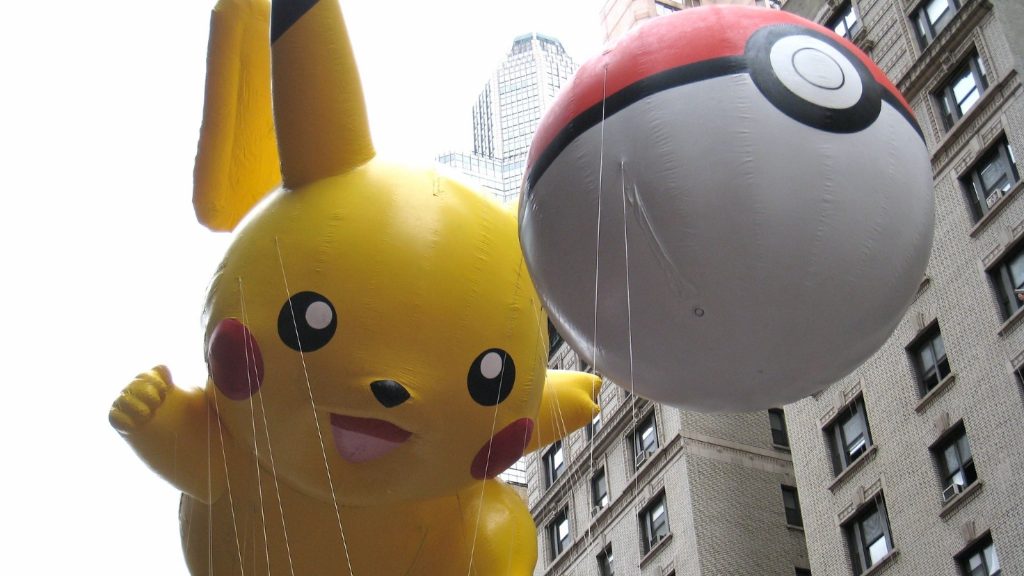
The 90s and early 2000s saw three anime shows explode in popularity: “Sailor Moon,” “Dragon Ball Z,” and “Pokemon.” While “Sailor Moon” and “Dragon Ball” have been influential, it’s “Pokemon” that ended up grabbing the most attention at the turn of the millennium. Although “Pokemon” was already a popular video game, the anime sent the franchise’s popularity skyrocketing.
Another factor that helped “Pokemon”: unlike “Sailor Moon” and “Dragon Ball,” which aired mainly in syndication (the fate of most anime on American TV up to that point), “Pokemon” aired on a major over-the-air TV network. Ash and Pikachu were a heavily promoted part of The WB network’s “Kids WB” lineup. “Pokemon” also became big enough that its popularity was hard for even mainstream American media to ignore; parodies of “Pokemon” or anime in general (usually dismissive) appeared in comedies.
Other networks at the time also started to also air anime, including Fox (under the “4Kids TV” banner) and Cartoon Network/Adult Swim (the “Toonami” block). Said blocks introduced other popular anime to American viewers, such as “One Piece.”
Changing American demographics
Millennials and Gen Zers were the first major generations to grow up with anime as central parts of kids’ TV programming, thanks to the aforementioned “Pokemon” and other shows, plus Studio Ghibli movies like “Kiki’s Delivery Service” and “My Neighbor Totoro.” As such, two generations have grown up accepting and enjoying anime as much as any American cartoon.
Along with this, one survey shows that anime is especially popular among Black and Latino audiences. Given the United States population is set to become a majority non-white country by the middle of the century, that means an American population that won’t let go of a love of Pikachu, Goku, etc. anytime soon.
Personal anecdotes support this. My Millennial and Gen Z coworkers are huge anime fans, making references to series that send me to Wikipedia to look up. I’ve also seen a few anime references on Facebook from Gen Z relatives.
Anime’s influence on American animation

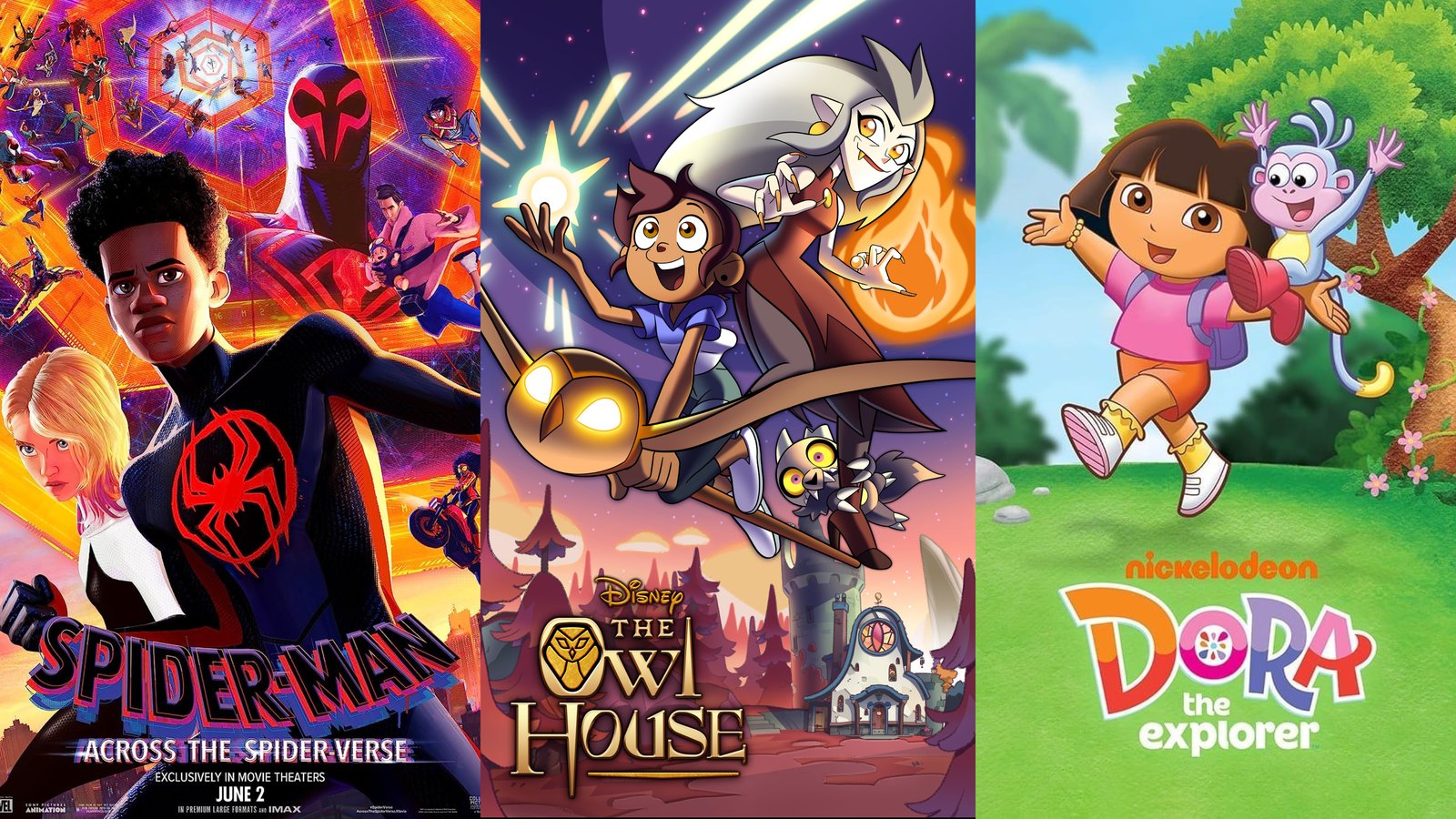
Anime has also had a strong influence on American animation over the past several decades. Programs like “Teen Titans,” “Steven Universe,” and “The Boondocks” show strong influences. As such, American viewers have grown used to seeing anime-style elements in cartoons.
Ongoing storylines and continuity, traits seen in many anime series, also became traits of many American cartoons by the 2010s. This marked a shift from previous American cartoons often being episodic and with minimal continuity.
The rise of cable TV, DVDs, and the internet
Anime became increasingly easier to access in the 90s and 2000s. Cable started to air anime more heavily; the most famous such block is likely Toonami, a Cartoon Network/Adult Swim block that featured a variety of anime series, usually with minimal or no editing.
DVDs and the internet also made obtaining anime easier and cheaper, with the latter also seeing a boom in online fandom communities. That said, until streaming services came along, piracy also made up a sizable chunk of viewing.
The rise and dominance of streaming services

The rise of streaming services in the 2010s might be the final tipping point in making anime mainstream. Netflix is the biggest streaming service in both the US and the world; it relies heavily on non-American sources for content, including anime series. It’s also produced some of its own anime (or anime-influenced series) as “Netflix Originals.” As such, popular anime appeared alongside Western cartoons on equal footing.
Other streaming services also have become popular sources for anime, including Hulu (which has a large library), HBO Max (which has the Studio Ghibli library), and anime-only streaming service Crunchyroll.
In my opinion, Netflix also managed to break the idea that Americans won’t watch non-American TV shows. Until streaming services came along, a lot of non-US TV shows were deemed niche, or secondary material. See: “Doctor Who” airing on PBS, or anime’s “filler”-like status on cable or syndication before the late 90s. ABC, CBS, and NBC (and eventually Fox) would rarely air Canadian TV shows, usually with anything remotely reminding viewers it’s from north of the border minimized or edited. (Canadian series airing in syndication, such as “Cold Squad” and “Da Vinci’s Inquest,” usually left the Canadian references untouched.)
Now, thanks to streaming, non-American programs get prominent viewership and treatment: “Doctor Who” is streaming on Disney+, which is also home to one of the most popular kids’ cartoons, “Bluey” (from Australia). Netflix is the home of the “Great British Bake Off,” while one of its most popular recent shows is “Squid Game” (from South Korea). As such, anime to many viewers now is just another type of cartoon; viewers can see “Black Butler” promoted alongside “Family Guy” on Hulu, or “Kiki’s Delivery Service” featured on HBO Max alongside “Scooby-Doo” (or what’s left of it).
Conclusion
Other positive changes have also emerged over the past few decades. “Spirited Away” winning the Best Animated Feature Oscar in 2003. Video games, which include many produced in Japan, have also become mainstream forms of entertainment. There’s also the rise in prominence of manga (Japanese comics), which have gone on to outsell DC and Marvel in non-comic shop bookstores. Anime, and anime-influenced American cartoons, are definitely here to stay.
If you have a favorite anime series, or have any corrections to the above, feel free to list them in the comments.
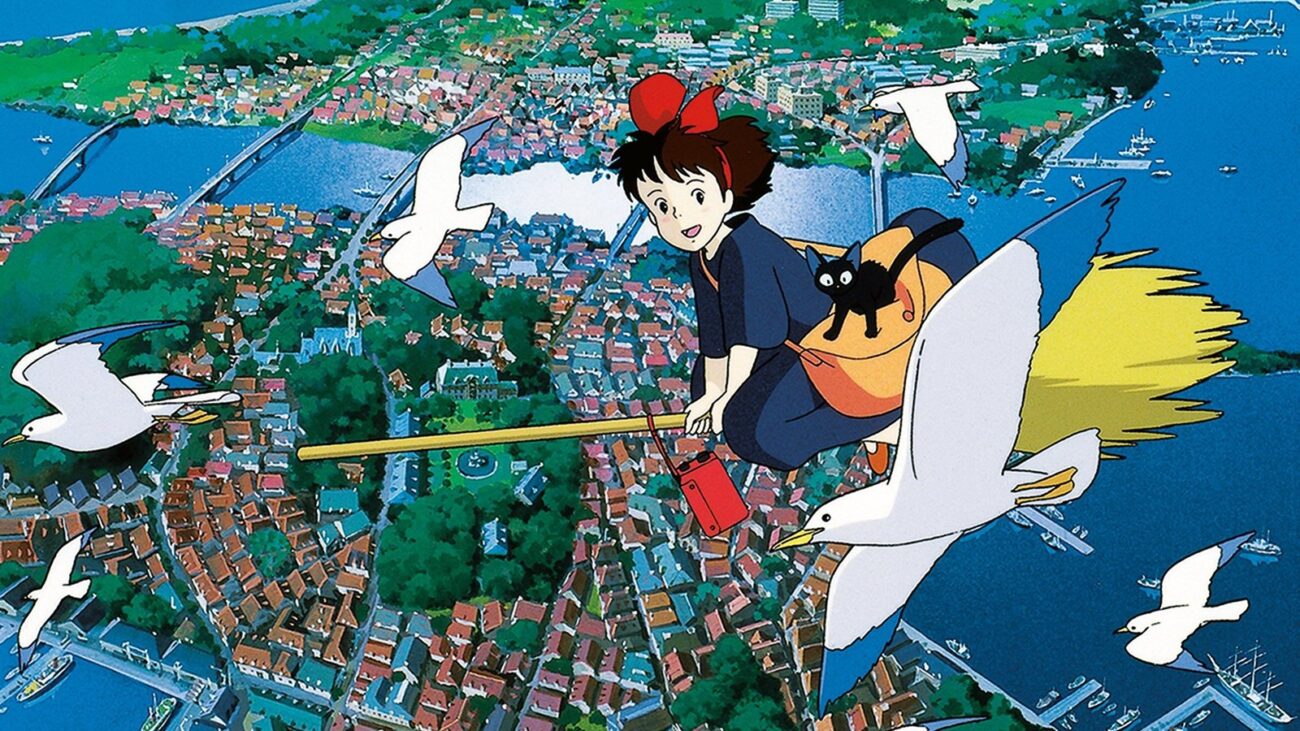
Image: “Kiki’s Delivery Service.” (Studio Ghibli)
Related Posts