As a companion to my recently updated post on the most famous American cartoon characters, here’s the companion updated post on the most famous American comic characters and franchises.
Criteria
My main criteria is simple: if I showed a picture of these characters to grade-schoolers, younger adults, and older adults, how many would recognize the characters without prompting?
Thus, you won’t see certain comics on this list. While “Calvin and Hobbes” was popular, it only ran for a decade, had no merchandise (per Watterson’s wishes), and ended 30 years ago… which doesn’t make it something today’s kids would readily recognize. Similarly, most adults aren’t familiar with “Dog Man,” even if the series is popular with kids. And almost all newspaper comics at this point aren’t recognized by Gen Alpha, and likely much of Gen Z, unless they’re theater kids (per the musical version of “Little Orphan Annie”).
I’m also just looking at American comics, not manga or European comics. Most Americans aren’t familiar with comics like “Asterix,” “My Hero Academia” (unless they’re anime/manga fans), or “Lucky Luke.” Though Americans are certainly familiar with the Smurfs, albeit from animation.
The most famous American comics
Superman
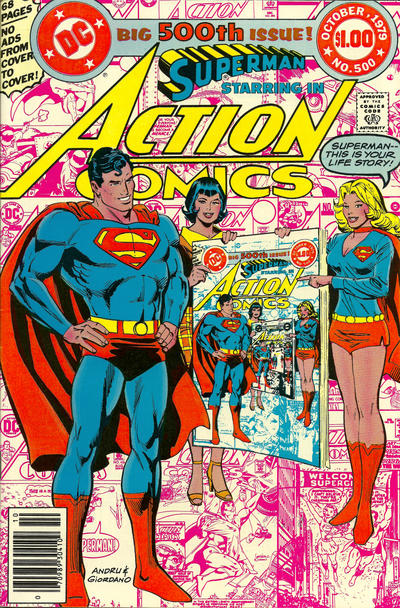
Superman’s the first prominent, and world’s most famous, comic book superhero. The Man of Steel set much of the template for the superhero genre, from secret identities to costumes to powers. That said, while Superman’s popularity has waned a bit in recent years, for various reasons he’s still prominent when it comes to live-action TV.
As for which versions of Superman are the most famous, i.e. what people think of when generically describing Superman:
- The Christopher Reeve movies. The classic 70s/80s Superman movies’ influence has finally started to see their iron grip on how Superman’s viewed loosened, thanks to newer successful media (such as the 2025 “Superman” film) and decades having passed. That said, the Reeve films still hold a strong influence on how Superman’s viewed by many people, if not the default version.
- The Silver/Bronze Age comics. Despite DC Comics’ repeated attempts to retcon/reboot Superman, the Superman comics published between the mid-1950s and mid-1980s still hold a lingering influence, especially in parodies/popular culture. It’s likely thanks in part to their contributions to the mythos/superheroes in general: Supergirl, the Phantom Zone, Krypto, Superman robots, Jimmy Olsen having weird adventures, secret identity hijinks, life at the Daily Planet, etc. Said versions have received modernized reboots, but most don’t seem to stick in the public eye (or media adaptations) as much as the Silver Age versions. (See: Kara Zor-El Supergirl vs. “Pocket Universe/Earth Angel” Supergirl.) The only Modern Age comic reference that might appear in popular culture is “The Death of Superman” arc from the 90s. You might also sometimes see the Golden Age Superman referenced, but it’s usually just parodies of the cover of “Action Comics” #1. And definitely no New 52 references (“New what?”).
- Whichever media adaptation one grew up with or recently came out. “Smallville,” “Lois and Clark,” “Superman: The Animated Series,” “Super Friends,” etc. This depends on one’s age/generation—there’s some who grew up with “Superman:TAS” who apparently think Lex Luthor’s Black (per his design in that series).
The most famous Superman supporting cast members and villains:
- Lois Lane.
- Jimmy Olsen.
- Supergirl.
- Lex Luthor.
- General Zod and/or the Phantom Zone crooks generically.
- Superboy (unless one’s seen “Young Justice”) is either “never heard of him,” assumed to be a reference to “Smallville,” or the original “Superman as a boy” version. (“Superman has a son?” “There was a clone?”)
- Maybe: Ma and Pa Kent, Perry White, Krypto. Good luck with anyone outside of comic fans knowing who Steve Lombard, Maggie Sawyer, or Pete Ross are.
Batman
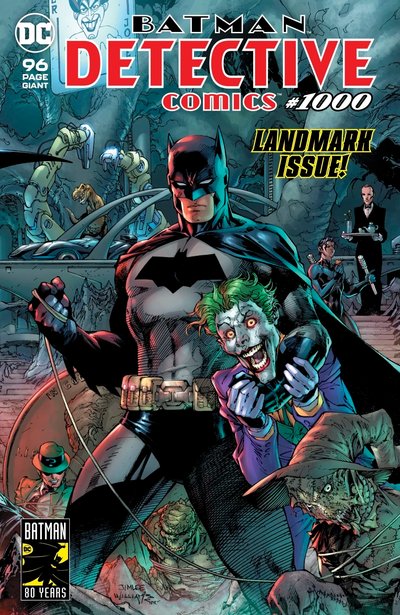
Batman’s become DC’s flagship hero in the past few decades, with a good chunk of the DC line now revolving around the Dark Knight, his sizable supporting cast, and/or Gotham City.
As for which versions of Batman are the most famous, i.e. what people think of when generically describing Batman:
- The 1960s “Batman” TV series, starring Adam West.
- The 1990s “Batman: The Animated Series,” starring Kevin Conroy.
- The various theatrical movies. Which movies (Tim Burton’s, Christopher Nolan’s, etc.) are favored is subjective (and probably depends on one’s age), thus I won’t pick a specific film or film series.
Most versions of Batman seen in parodies, pop culture depictions, etc. usually are based on one or more of the versions above.
Batman’s most famous supporting cast members and villains:
- Robin (Dick Grayson; see below).
- Alfred Pennyworth.
- Batgirl (Barbara Gordon).
- Commissioner Gordon.
- The Joker.
- The Penguin.
- The Riddler.
- Catwoman.
- Maybe: The Scarecrow, Mr. Freeze, Two-Face, Bane, Poison Ivy, Harley Quinn. Good luck with anyone outside of comic fans knowing who Leslie Thompkins, Black Mask, or Stephanie Brown are.
Robin

Thanks to being the most famous kid sidekick, Robin’s as famous as the other heroes on this list.
The most famous incarnations of Robin:
- As one-half of the “Dynamic Duo.”
- As part of the Teen Titans (in any incarnation).
As such, Robin’s most famous supporting cast members (that aren’t the Batman ones listed above) are his Teen Titans teammates, specifically the TV versions:
- Cyborg.
- Beast Boy.
- Starfire.
- Raven.
Older people will solely think of Robin as Batman’s sidekick; younger people will think of Robin as Batman’s sidekick and/or “the guy who pals around with Cyborg and Beast Boy.” Either way, Robin isn’t seen as a solo hero by the general public… and thus why he’s unlikely to ever get a solo film, as “Teen Titans Go to the Movies” joked about.
Robin is also seen by the general public (if they even know his alter-ego’s real name) as the Dick Grayson version, full stop, despite Dick dropping the Robin role in the comics in 1984. Jason Todd, Tim Drake, and Damian Wayne for most of the public will be “who?” One reason Tim Drake’s coming out as bisexual saw headlines of “Robin is gay!”: the general public’s unaware there’s ever been more than one Robin.
Similarly, Dick’s identity as Nightwing isn’t well known among the general public, despite Nightwing’s appearances in “Batman: The Animated Series” and a few other media spin-offs. This one is especially glaring, given that at this point, Dick’s been Nightwing about as long as he’s been Robin (44 years as Robin, 1940-1984; 42 years as Nightwing, 1984-2026).
Wonder Woman
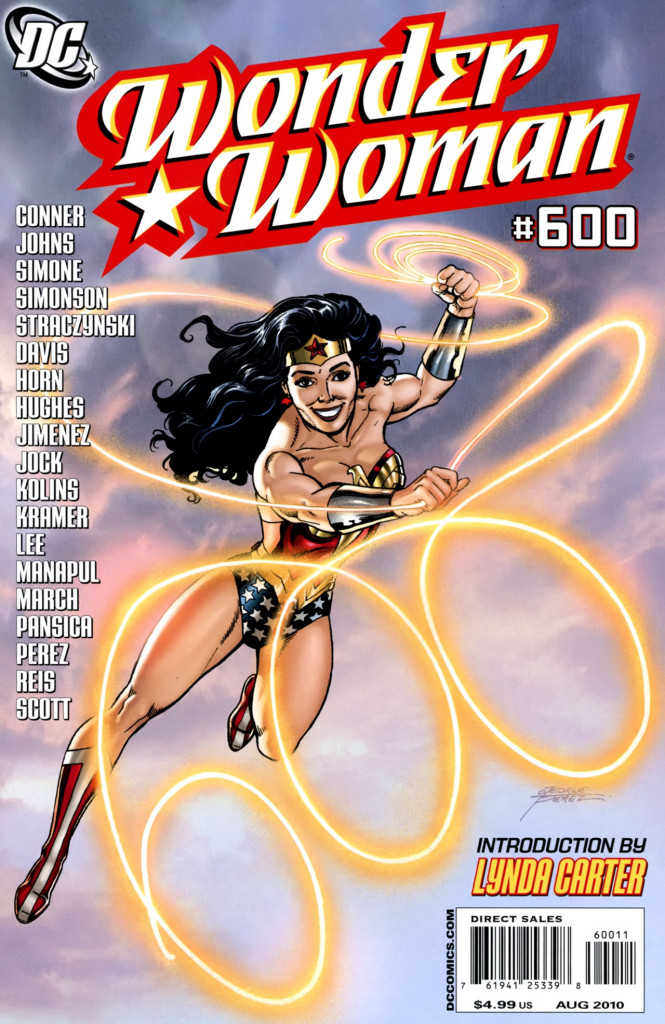
Wonder Woman’s the most famous female superhero, and has been a pop culture mainstay for decades.
That said, the most famous versions of Wonder Woman are:
- The 70s Lynda Carter live-action TV series.
- The 2017 and 2020 Gal Gadot movies.
I suspect Wonder Woman’s also well known for her merchandise, versus any particular media incarnation. Especially since the two versions I listed above are her only major solo media incarnations.
As for Wonder Woman’s most famous supporting cast and villains:
- Steve Trevor.
- Maybe: Queen Hippolyta, the Cheetah, and Giganta (thanks to “Super Friends”/some other media spin-offs).
That’s probably it… and you’ll find more people familiar with Diana’s invisible plane and magic lasso than any of these characters. Good luck with Etta Candy, Nubia, Donna Troy, or DC’s version of Ares (versus the public domain Greco-Roman mythology version of Ares everyone knows).
Spider-Man
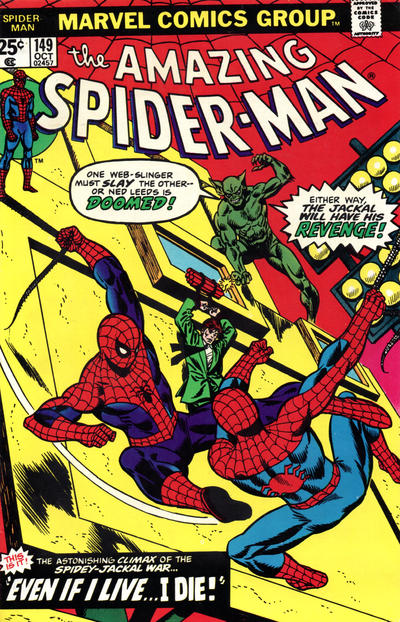
Spider-Man is Marvel Comics’ flagship hero. Since his 1962 debut, Peter Parker’s become famous worldwide.
The most famous versions of Spidey:
- The various movies, which have been regularly cranked out since the original “Spider-Man” film in 2002. Like Batman, there doesn’t seem to be a specific film version that’s the “default” one (flame wars aside).
- The various TV cartoons, going back to the classic (and now meme-ified) 1967 TV show. Its theme song has become Spider-Man’s de facto theme song to this day.
As for Spidey’s most famous supporting cast and villains:
- Aunt May.
- J. Jonah Jameson.
- Mary Jane Watson.
- Green Goblin.
- Dr. Octopus.
- Venom.
- Maybe: Miles Morales (among younger people, thanks to “Into the Spider-Verse” and a few modern TV cartoons), Gwen Stacy (per the movies, “Spider-Verse” and a few TV cartoons). Otherwise, mentioning Betty Brant or Robbie Robertson will get blank stares.
The Incredible Hulk
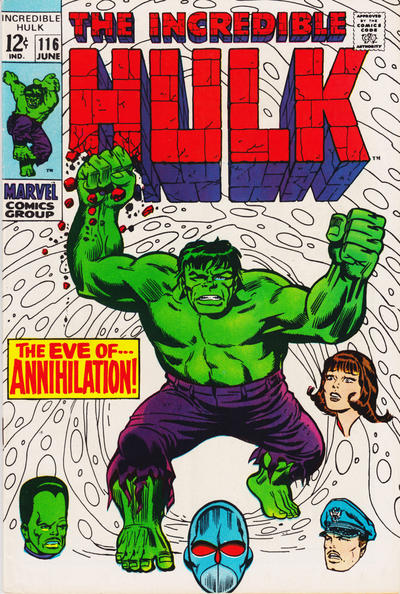
In my opinion, the Incredible Hulk is still Marvel’s second most famous superhero, after Spidey.
The most famous versions of the Hulk:
- The classic 70s live-action TV show, starring Bill Bixby and Lou Ferrigno.
- The Marvel Cinematic Universe (MCU) films.
As for the Hulk’s supporting cast, I don’t think any of them are particularly known to the general public. At best, you might get a pastiche of General “Thunderbolt” Ross in parodies (“military guy that wants to capture or kill the Hulk”). However, mentioning “the Leader,” “Rick Jones,” or “Betty Ross” will just get blank stares. (“Rick Jones? Wasn’t he a 70s singer?” “Betty Ross? Didn’t she design the American flag?”)
The TV show made the Hulk a household name among Baby Boomers and Gen Xers, which is why he’s on this list and not the X-Men. The mutants didn’t become prominent in non-comics media until the 90s; thus, someone older will likely recognize the Hulk before Wolverine or Storm. Also, the TV show introduced the popular line “you wouldn’t like me when I’m angry.”
Meanwhile, the Hulk’s stayed prominent in modern times (and to younger demographics), thanks to the MCU films and his appearance in various kids’ TV cartoons. For the latter, he’s a supporting character in “Spidey and His Amazing Friends” on Disney Junior.
Garfield
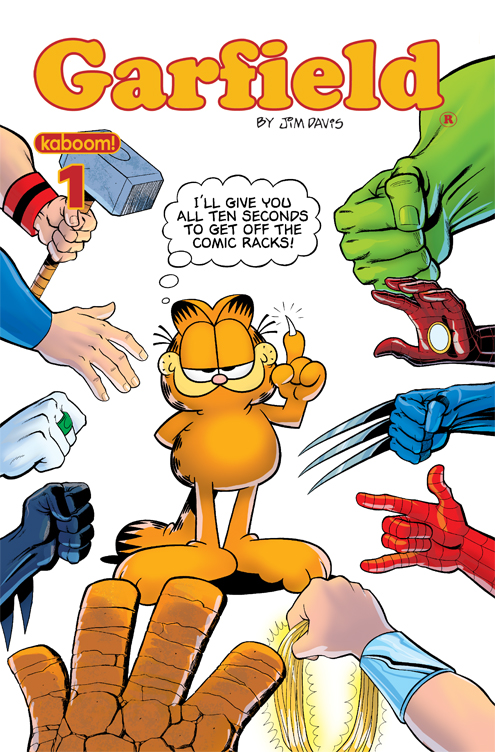
“Peanuts” and “Garfield” are probably the two most widely known comic strips, though mostly for their media adaptations at this point.
While “Garfield” is still an ongoing comic strip, its popularity peaked some time ago. Still, the orange cat has had numerous appearances in animation, including “Garfield and Friends” and “The Garfield Show,” plus some video games and theatrical films.
Peanuts

“Peanuts” ended its long newspaper run in 2000 (with the retirement and death of Charles Schulz). While the holiday specials continued to air on TV afterwards, all of the “Peanuts” specials moved exclusively to Apple TV in 2020. Since the “Peanuts” gang is now paywalled behind a secondary streaming service, it’s unclear if kids recognize Snoopy and company as much as they once did. Still, I’ll leave “Peanuts” in this tier for now.
Runners-up: “Merely” well-known American comics
Below is a list of comic characters I’d say fall under the “merely well-known” category. They’re comic characters that are famous, but have waned in popularity, are rising in popularity but not (yet) at the level of the characters listed above, and/or whose familiarity is more likely tied to specific generations or demographics.
Aquaman
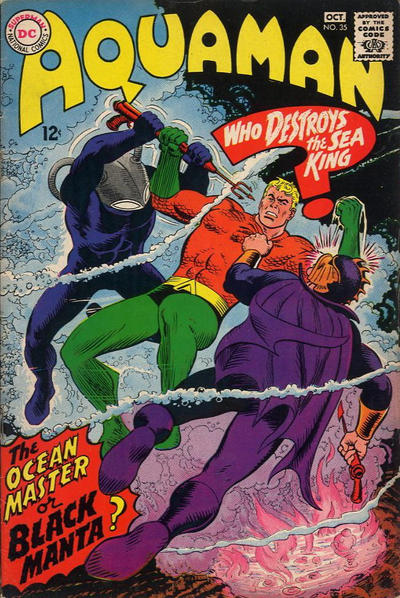
The Sea King has been fairly well known for years, thanks to “Super Friends,” his Filmation TV show from the 60s, plus (unfortunately) lazy jokes about being “useless.” Still, Aquaman’s stayed reasonably popular, with the 2010s seeing a boost in popularity. This all led to the 2018 film starring Jason Momoa; it’s the highest-grossing film based on a DC character, earning over $1.1 billion at the box office.
As such, Aquaman’s usually who the general public thinks of when they think of an aquatic superhero, and not Marvel’s Namor (“that guy in ‘Black Panther 2’”).
Archie

In the 2010s, Archie made a welcome attempt at modernization; unfortunately, since then, Archie’s fallen off in prominence as a children’s comic. The current explosion in children’s graphic novels means there’s a lot more choices for such material. Newer kids’ comics also have the advantage of being more modernized in terms of tone, central premise, types of characters, etc. Finally, “Riverdale” ended some years ago; while an adaptation of “Afterlife With Archie” is being planned for Disney+, that, like “Riverdale,” is also clearly aimed at older viewers.
As such, I’m not sure how many kids recognize Archie, Jughead, and company these days. (Or how much of the general public is even aware that “Sabrina the Teenage Witch” and “Josie and the Pussycats” are Archie characters.) I wonder if all of the above are reasons why Archie’s been targeting older readers lately, or feels like a nostalgia brand?
The Avengers

The MCU movies have made the Avengers a household name worldwide, after spending years as near-B-listers. While the franchise’s long-term film future is in doubt, they definitely belong here for now. The most well-known members are: The Hulk (see above), Iron Man, Thor, and Captain America.
If a specific team roster is thought of, it’ll be the MCU movies’ version, full stop. Good luck with anyone knowing Black Panther or the Beast were longtime members in the comics.
The Flash

Flash’s profile has risen in recent years, thanks to his long-running (no pun intended) CW TV show. There’s also his appearances in the 2000s “Justice League” animated series, plus the recent DC theatrical films. Parodies of superheroes also go for the Flash when “a fast superhero (that isn’t Superman)” is needed.
Some Baby Boomers/older Gen Xers might still confuse Flash with Flash Gordon, but I think that’s waning, as Flash Gordon’s not prominent anymore (unless one’s a comic strip or Queen fan).
Green Lantern
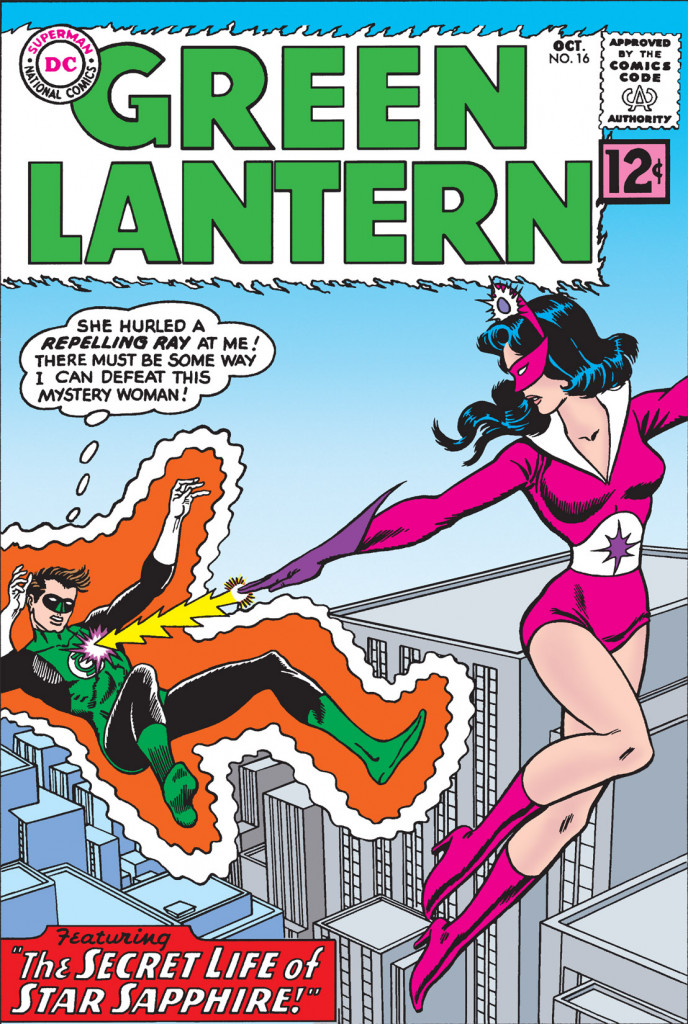
Green Lantern’s profile has also risen in recent years, between those that grew up with the 2000s “Justice League” cartoon, the infamous Ryan Reynolds movie flop, and a new series for HBO/HBO Max.
Like Flash/Flash Gordon above, some Baby Boomers might confuse Green Lantern with Green Hornet (who had a TV show in the 60s), but again, I think this has waned with Green Lantern’s increased profile. Plus, the only major Green Hornet material from this century is a 2011 movie.
The Justice League of America

The Avengers have eclipsed the JLA in general public prominence as the defining superhero team, something that would’ve been unthinkable before the 2010s. Still, the Justice League is reasonably well known: see the “Super Friends,” the 2000s animated TV series, and the now-infamous 2017 theatrical movie. Also, older pop culture parodies of superhero teams often go for making them similar to the JLA, as seen in an episode of “Futurama” (the “New Justice Team” logo is a parody of the Silver Age JLA logo).
The most familiar Justice League roster is all of the adult DC heroes listed above: Superman, Batman, Wonder Woman, the Flash, Green Lantern, and Aquaman. Good luck seeing the general public recognize longtime JLAers J’onn J’onzz, the Atom, or Black Canary. Or even the acronym/nickname “JLA,” as most media incarnations call them the “Super Friends” or “Justice League,” probably to avoid seeming too US-centric.
The X-Men
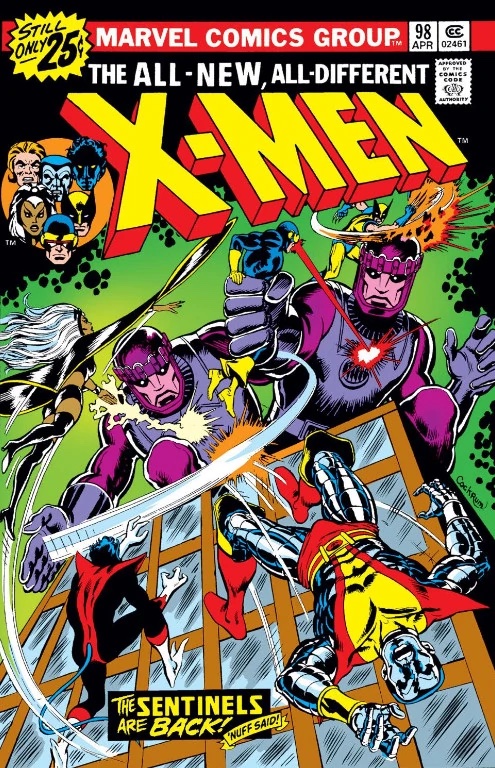
The mutants’ star has faded since their 90s/00s peak, but the team is still well known. The “X-Men ‘97” Disney+ revival series has strong viewership, and Marvel plans to use the mutants in future films.
The most famous X-Men member is easily Wolverine. Other than Logan, the other famous X-Men members and villains: Professor Xavier, Beast, Cyclops, Storm, Jean Gray, Jubilee, Rogue, Magneto, Mystique, and the Juggernaut. Basically, most of whoever was prominent in the 90s “X-Men” animated series or the first live-action movie. Good luck with Emma Frost, Bishop (though suspect “wasn’t there a Black guy with a giant gun?” might come up), or Cable (outside of Deadpool/“wasn’t there a white guy with a giant gun?”).
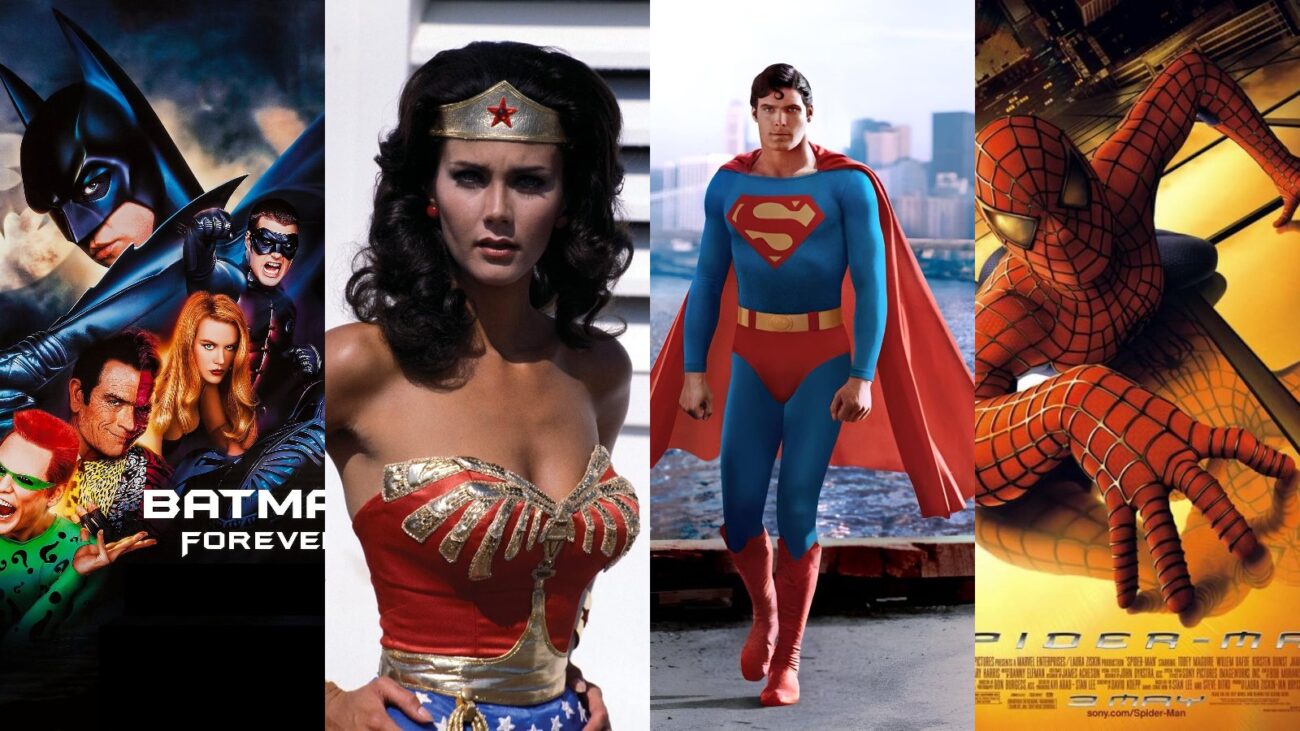
Image, from left to right: “Batman Forever” (Warner Bros.); “Wonder Woman” TV series (Warner Bros.); “Superman” (1978) (Warner Bros.); “Spider-Man” (2002) (Marvel/Sony)
Related Posts