Last updated on May 1st, 2026
On Wednesday, April 1, Apple turns 50 years old. The world of tech has changed a lot since the Ford administration, and so has Apple itself. Below, I list what I’d consider the 10 biggest products from Apple over the past five decades.
1. The Apple II (1977)
Apple was founded in 1976, with the release of its first computer, the Apple I. However, Apple saw its first big success in 1977, with the launch of the Apple II, the Apple I’s successor. The Apple II became one of the first successful home personal computers. The series remained a part of Apple’s product line (in various versions) until production ended in 1993.
The comic strip “FoxTrot,” in its earliest strips, made the Apple II the first in a series of Apple or Apple pastiche computers the Fox family owned. An early 1990s story has the family matriarch Andy buying a new Mac to replace the Apple II (one reason: Jason’s Apple II “Star Trek” games won’t work on the new machine).
2. The Macintosh 128K (1984)
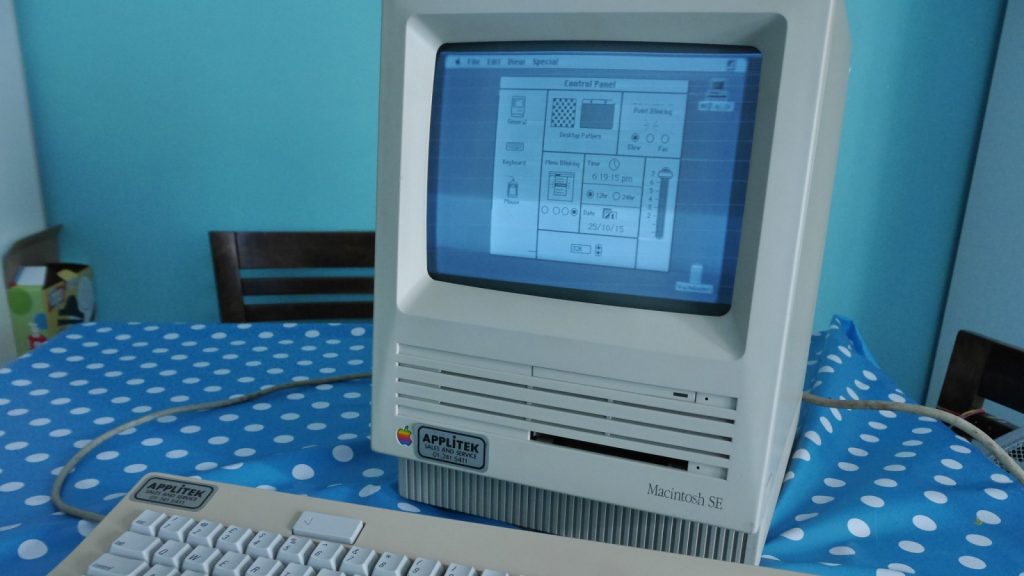
Apple’s landmark original Macintosh (later dubbed the “Macintosh 128K”) was released in 1984, with the Macintosh operating system (MacOS) standing out for its user friendliness compared to other operating systems of the time. (Including its own Apple II line of computers.)
Apple introduced the Macintosh with a now-famous Super Bowl ad, claiming “1984 won’t be like [George Orwell’s] 1984.” The ad was directed by Ridley Scott (of “Alien” fame).
Of course, the Mac became an iconic part of the computer landscape, from their distinctive designs over the years to the “Mac vs. Windows vs. Linux” debate. Apple took advantage of said rivalry with their series of “I’m a Mac/I’m a PC” ads. The compact Mac became a mainstay through the 1980s and 1990, with successor models such as the Macintosh SE and Macintosh Classic. The SE appears in a Season 2 episode of “The Simpsons,” “Homer vs. Lisa and the 8th Commandment” (aka “the episode where the family steals cable,” one of my favorite episodes of the series).
That said, Macs’ sales have always been in a minority of the computer market; as noted below, they haven’t made up a majority of Apple’s income in years.
3. The PowerBook (1991)
While Apple released the 1989 Macintosh Portable (“portable” by Bush Sr. administration standards), it’s the 1991 launch of the PowerBook that started their modern laptop era.
The PowerBook soon became one of Apple’s most popular products. The mid-90s 5300 model in particular is famous for two things: negative publicity for its battery catching fire, and as the laptop used against the aliens in the 1996 film “Independence Day.” “The Simpsons” also referenced the PowerBook; in the Season 7 episode “Sideshow Bob’s Last Gleaming,” Bob post-defeat feels his loss is so formulaic it could’ve been “spewed from the PowerBook of the laziest Hollywood hack.”
A second, cheaper consumer line, the iBook, was introduced in 1999, and sold (with a design change) until 2006. The longest-lasting, and current, Apple laptop model, the “MacBook,” was first released in 2006, replacing both the iBook and the PowerBook. Today, of course, most Macs sold (like most PCs) are laptops.
4. The iMac G3 (1998)

During the 1990s, Apple was seen as a has-been circling the drain, with even “The Simpsons” making a now poorly-aged joke about such in the Season 7 episode “Homerpalooza.” Apple was suffering from too many problems: a confusing array of unpopular models; failed products like the Newton; the launch of Windows 95 stealing the Mac’s thunder (and seen by some Mac fans at the time as a MacOS knock-off); and so on.
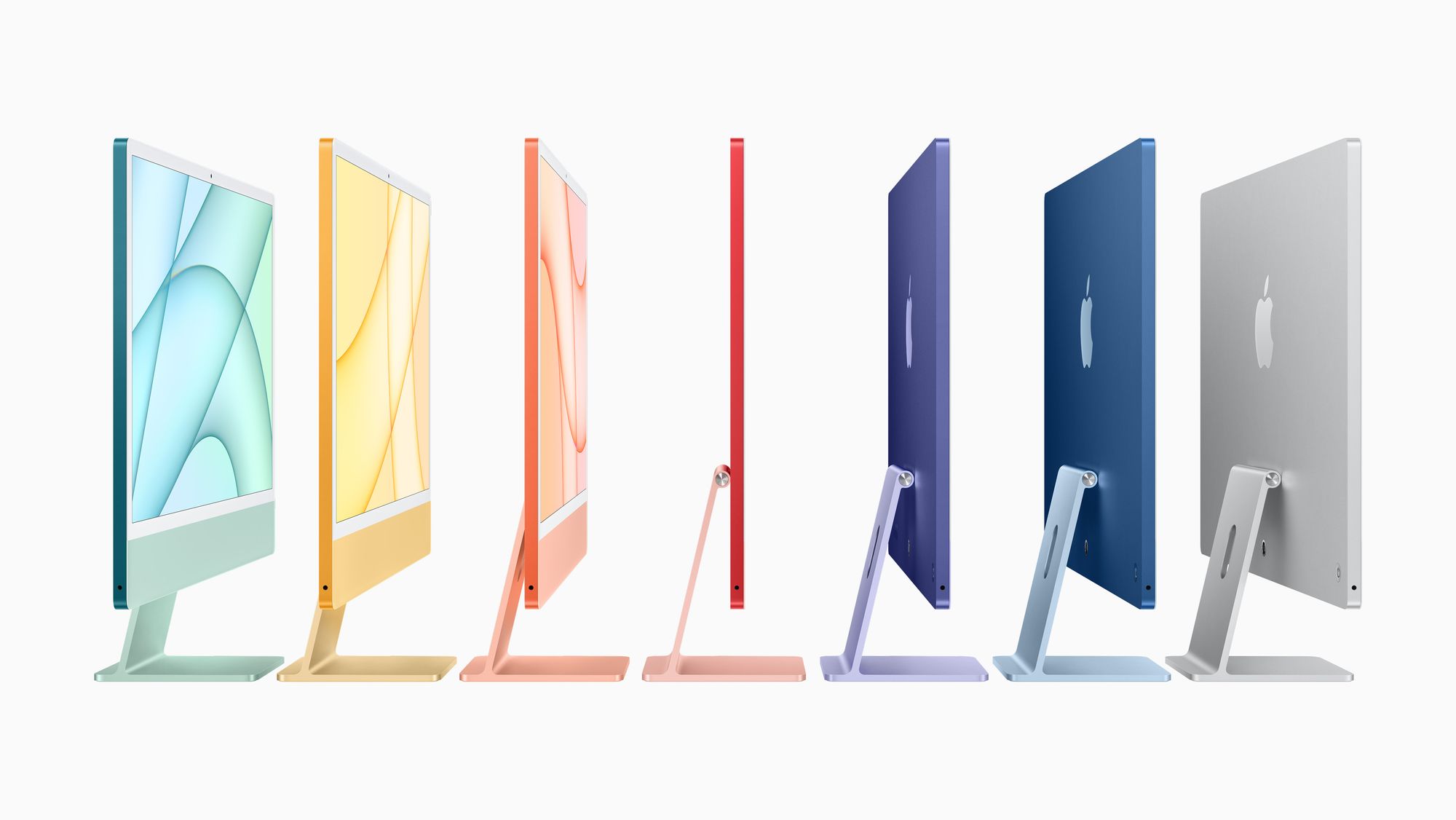
Steve Jobs, who was ousted from Apple in the mid-80s, came back to the company in 1997, and introduced sweeping changes. (Some controversial: he killed off a short-lived line of third-party Mac clones, and invited Microsoft to invest in Apple, all of which irritated some Apple fans.) Still, the introduction of the iMac G3 in 1998 was a big success for Apple. The iMac was a colorful computer (versus the beige models then in vogue), was an affordable consumer model, and used fewer proprietary parts. It also introduced the USB port to Macs.
The iMac also dropped the floppy drive, which was controversial at the time. The idea was one would use either the internet (thus the “I” in “iMac”) or the included CD drive. (This despite the internet still being in the glacially slow dial-up stage for most people.) The included mouse was a hockey puck-shaped model that was anything but ergonomic.
Despite all of this, the iMac became a big hit for Apple, and set the tone for their hardware over the turn of the millennium and early aughts. The computers’ distinctive colorful look made them popular in movies and TV shows of the time. (The 2001 movie “Legally Blonde” has someone using an orange colored iBook.) The aforementioned “FoxTrot” comic strip had a storyline about Andy buying an “iFruit” computer to replace the family’s mid 90s-era Mac, to Jason’s dismay (he wanted a PC with then-high-end specs).
The iMac still exists, though it’s now the mid-tier desktop model between the entry-level Mac Mini and the high-end Mac Studio.
5. OS X (2001)
The launch of OS X in 2001 introduced a big improvement in the MacOS. On the front end, it revamped the MacOS GUI over the old System 9, introducing the Dock as the most noticeable change. On the back end, OS X was based on technology from Jobs’ NeXT operating system, as well as FreeBSD; this made OS X more stable compared to the classic MacOS—no more of the iconic but unwelcome “system error” bomb icon, shown when the operating system crashed (forcing a hard reboot).
Despite the big change in the GUI (not everyone was a fan at first), OS X became cemented as part of the Apple ecosystem. Even if Apple keeps making questionable design changes, such as reintroducing in 2025 with Tahoe the transparent menu aesthetic briefly popular in the aughts.
6. iTunes
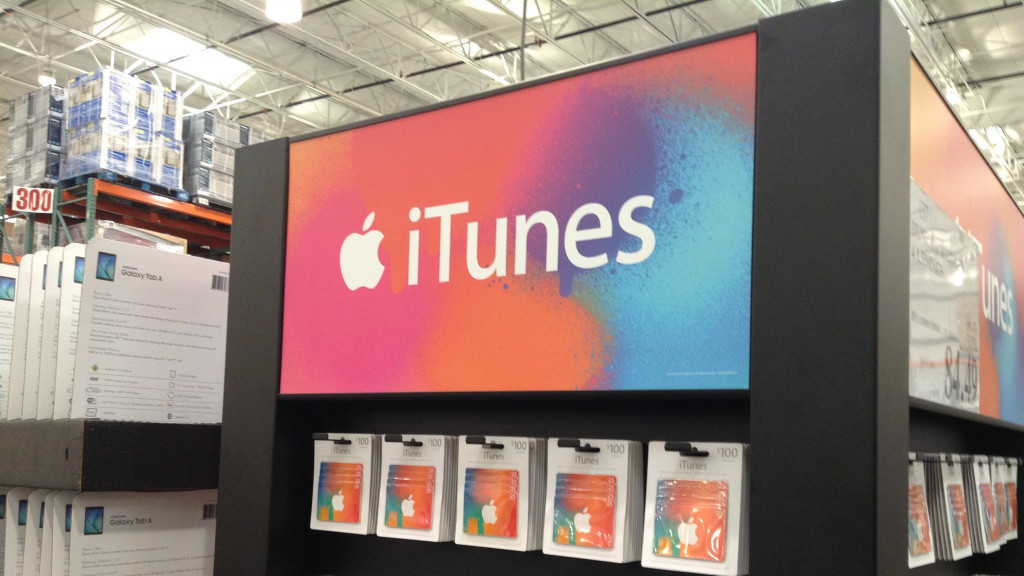
Apple launched iTunes in 2001, initially as the music management software for MacOS. Eventually, however, they expanded iTunes’ functionality and presence. The iTunes Store launched in 2003, which allowed buying music directly from Apple; the same year, iTunes also launched for Windows, expanding its popularity.
iTunes also could be used to rip CDs to MP3s, as well as burn CD-Rs, something Apple emphasized in advertising at the time with the slogan “rip, mix, burn.”
In recent years, iTunes has mostly been replaced by Apple Music, both the app and as a streaming music service competing with Spotify. Music revenue at this point is nearly all from streaming, though there’s been a slight comeback recently in owning physical media.
7. The iPod (2001)
MP3 players existed before the iPod, but none of them became as famous or popular as Apple’s music player. The iPod became an easy way to play the “newfangled” MP3s that were becoming popular at the time. Apple’s ecosystem also encouraged ripping CDs to MP3s with, or buying music through, the also-new iTunes.
iPod sales peaked in 2006, making up 40% of Apple’s revenue. However, the iPod started to decline in popularity after the launch of the iPhone. By 2014, Apple had stopped tracking iPod sales as their own category, with the line discontinued in 2022.
8. The iPhone (2007)
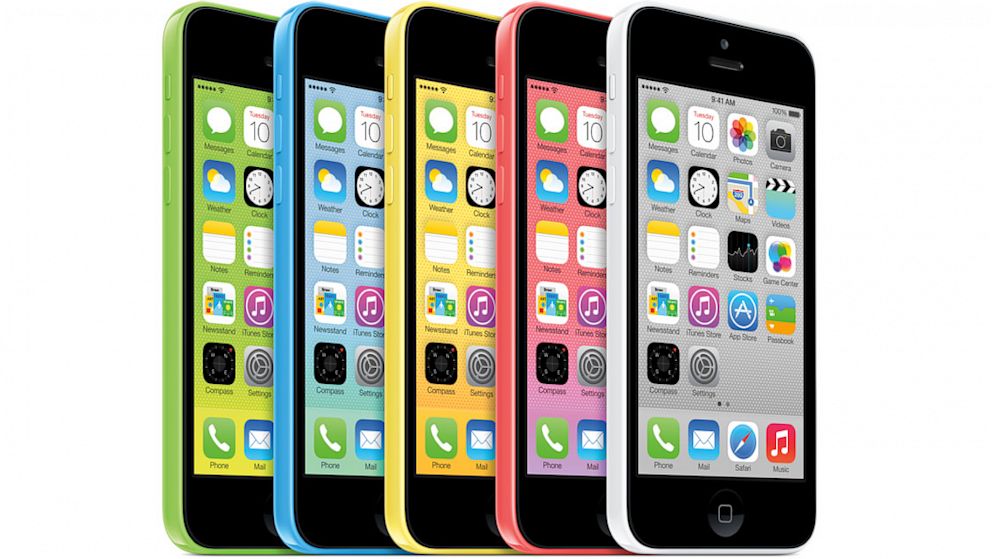
Other than the original Macintosh, the iPhone might be the one Apple device that’s had the most impact. Smartphones existed before the iPhone, as shown by the Blackberry’s 2000s popularity. However, it’s the iPhone that became the first popular modern touchscreen smartphone; the iPhone and Android based phones sparked the modern smartphone era, quickly displacing cell phones and feature phones.
Another byproduct of the iPhone is popularizing the “app.” Apps have become cemented in culture at large, for better or worse, as their own massive industry (see: social media).
By 2012, the iPhone made up over half of all of Apple’s revenue, and the iPhone’s status as their biggest moneymaker hasn’t changed since. Today, the iPhone’s by far the most popular Apple product, and is now even driving other aspects of the company. The 2026 MacBook Neo, for instance, is a low-cost MacBook powered by an iPhone processor. (Mac sales make up single digit percentages of Apple’s revenue.)
Regarding media and popular culture, it’d probably be easier to list present day-set TV shows, movies, etc. that don’t feature smartphones or apps.
9. The iPad (2010)
Again, like the iPhone and iPod, the iPad isn’t the first tablet device, but it did become the most popular. That’s despite it never becoming a computer replacement for most people; tablets overall seem stuck as being a bit of a niche product.
At the low end, for those just wanting to read ebooks, Amazon’s Kindle dominates that area, and costs less than the iPad. There’s also that smartphone screens have grown larger since the early 2010s, undermining some of the iPad’s appeal.
At the high end, to paraphrase a line from “Garfield and Friends,” “you can get a real computer for $700.” (Versus cobbling together an iPad and expensive detachable keyboard, and making do with iPadOS as a stand-in for MacOS.) The launch of the MacBook Neo at $700 (for the high end model; the starting model is at $600) seems to be Apple’s admission that people would rather just spend that kind of money on a laptop versus going the “iPad + keyboard” route.
Still, despite jokes at first about the iPad being just an overgrown iPod Touch/iPhone, the iPad has become the most popular tablet. It also helps that Android tablets never became quite as popular as their phone counterparts; many Android apps aren’t written with tablets in mind, and developers seem more focused on the iPad. (Spoken as someone who owns a Samsung tablet.)
10. Apple TV+ (2019)

Apple TV+ (recently confusingly renamed plain “Apple TV”) launched in 2019 as Apple’s entry into the “streaming wars.” Unlike the other streaming services, Apple TV+ doesn’t rely on a large back catalog, but instead goes for an HBO-like emphasis on quality over quantity. It’s also now the exclusive home of the “Peanuts” TV specials, for better or worse.
So far, Apple TV+ has some popularity as a secondary-tier streaming service. It won’t replace Netflix or the Disney Bundle, but its content is highly regarded (“Ted Lasso,” “Severance,” etc.). Apple TV+ even became the first streaming service to earn an Oscar for best picture, for 2021’s “CODA.”
Image: “Apple Campus” by bfishadow is licensed under CC BY 2.0. (Flickr / cropped from original)
Related Posts