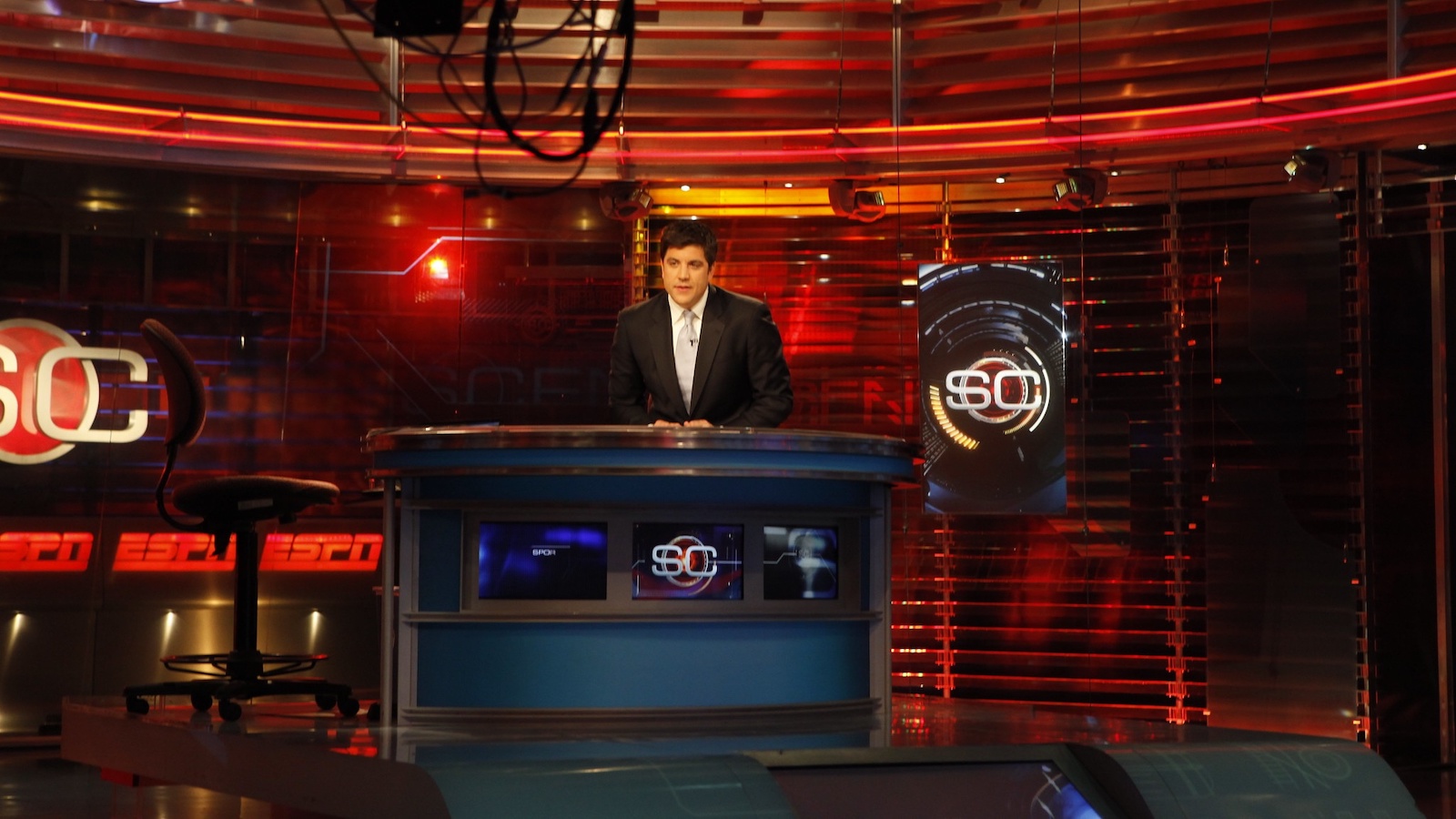
After years of rumors and false starts, on Tuesday, Disney announced it’s finally launching a standalone ESPN streaming service, simply titled “ESPN.” (They apparently didn’t want to use the “ESPN+” name for the service, in a break with streaming tradition.) ESPN-the-streaming-service will offer all of the ABC/ESPN sports outlets, including: the cable networks (ESPN, ESPN2, ESPNU, SECN, ACCN, ESPNEWS, ESPN Deportes) as well as ACCNX, SECN+, ESPN3, the existing ESPN+, and ABC’s sports broadcasts (“ESPN on ABC”). The ESPN streaming service will launch in “early fall,” presumably in time for football season.
As for pricing? ESPN will come in two versions, “unlimited” (the regular package) at $30/month (or $300/year) and “select” (which is just the current ESPN+ service) at $12/month or $120/year. As bundles are currently popular, the following bundles are available:
- Disney+/Hulu/ESPN select: $17/month (with ads for Disney+/Hulu) or $27/month (ad-free Disney+/Hulu)
- Disney+/Hulu/ESPN unlimited: $36/month (with ads for Disney+/Hulu) or $45/month (ad-free Disney+/Hulu)
As I’ve written before, sports are expensive, so trying to save money is difficult if not impossible. That’s especially if you’re a fan of something specific or obscure, or need every home game for non-NFL sports teams. Given ESPN is the defining sports network, the only question about ESPN pricing is if it’d be very expensive or “merely” expensive. Never mind how crassly commercialized sports are, from stadium naming rights to how sports leagues are now cozying up to gambling outlets.
Is ESPN streaming worth it?

ESPN is the defining sports cable network. It and TNT/TBS make up the main national sports broadcasters for the major US pro sports leagues (NBA, NFL, MLB, and NHL), outside of the over-the-air networks. As such, sports fans being able to pay just for ESPN without cable is a big game changer. (Where that leaves the future of cable TV is up for discussion.) On the Turner networks side, Max carries TNT and TBS sports coverage on its ad-free tier (starting at $17/month).
If using a TV antenna (for ABC, CBS, NBC, and Fox) is an option, one could save plenty of money over paying for cable, or a full cable replacement service like YouTube TV (which starts at $83 a month). The cheapest options for watching national broadcasts of the NBA, NHL, MLB, and NFL at this point:
- Sling TV Orange plus a TV antenna: $46/month -or-
- ESPN (unlimited), Max (ad-free), plus a TV antenna: $47/month
Sports fans who just want general coverage of the biggest American sports leagues (and don’t need every baseball, basketball or hockey home game) might be fine with these options. It’d be cheaper than paying for cable, Hulu Live, or YouTube TV just to watch two channels (ESPN, TNT). The above plans would cover most nationally broadcast games, their respective playoffs, and all of their championships. (The Stanley Cup Finals this year is cable-only via TNT, which is annoying, but such is the NHL.) A number of college sports, including March Madness, should also be covered. The ESPN/Max option would also provide one conventional on-demand streaming service (despite Max being, well, Max).
But again, if you need something more specific—college sports not covered by ESPN, home games for non-NFL teams, a less popular sport, etc.—you’ll still need either some secondary services, a cable replacement service like Fubo or Hulu Live, or cable itself. NPR reports the average household is spending $69 a month on streaming services, versus $122 a month for cable. As I said before, sports are expensive. Good luck?
“Basketballs” by Håkan Dahlström is licensed under CC BY 2.0. (Flickr / cropped from original)
Related Posts