Thanks to the AI gold rush seeing companies snap up PC parts (RAM, hard drives, etc.) en masse, and Trump’s economic decisions (nonsensical tariffs, a pointless war with Iran, etc.), the price of computers, as well as computer parts, have skyrocketed. The latest price hike I’ve seen as of this writing is Apple discontinuing the lowest-end Mac Mini model, which was $599. The newest entry-level Mini starts at $799; this seems to go against it being the “cheap” entry-level Mac, especially since you still need to bring your own monitor/keyboard. (The iMac, if wondering, starts at $1299.) The Mini now costs $200 more than the cheapest Mac model, the MacBook Neo.
Needless to say, this spells bad news for anyone not interested in AI, interested in things like self-hosting a media server, or just need to buy any new electronics, such as a video game console. I’m hoping once the AI bubble bursts, it means a lot of cheap secondhand PC parts or a drop in prices/no more price hikes.
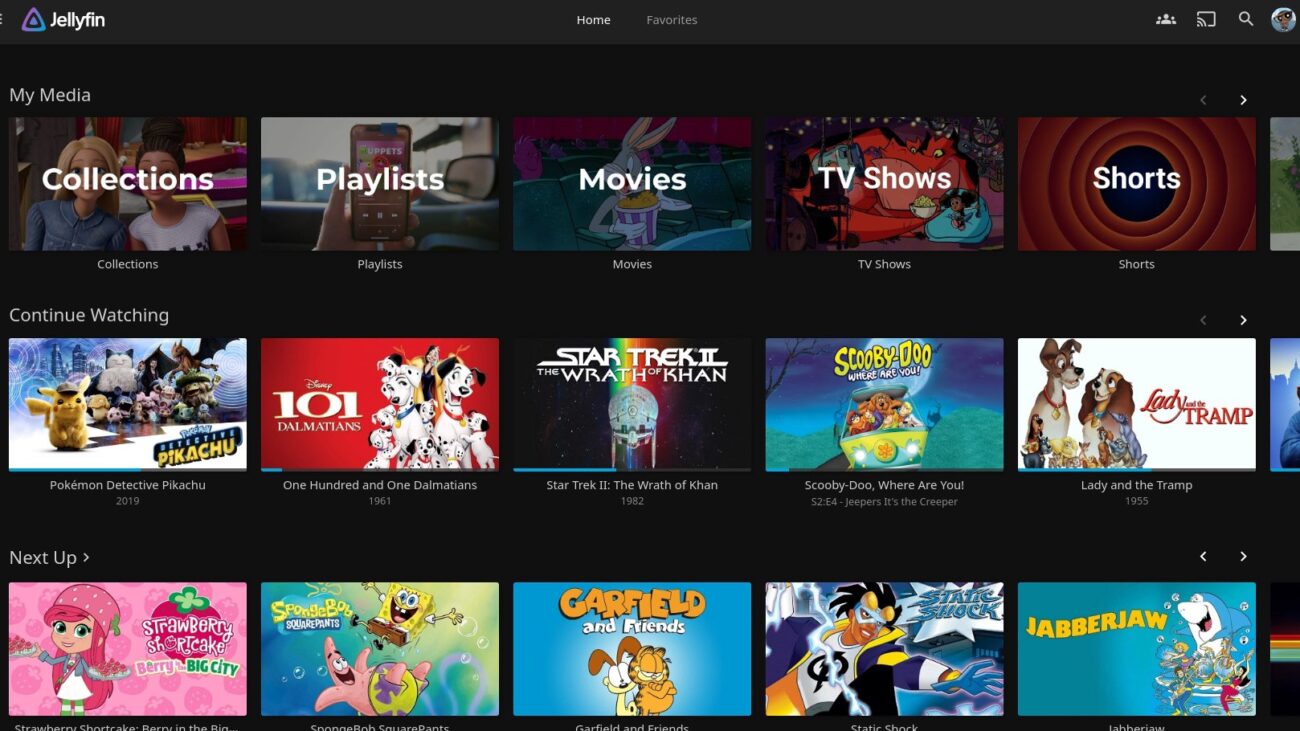
My media server consists of a 2020 M1 Mac Mini I already owned, plus a 4TB external hard drive, all running Jellyfin and Komga. I also have a few older, smaller hard drives attached for backups. It’s not exactly the fancy NAS setups I see pushed on YouTube, but it works (and cuts down on e-waste).
Below I look at the current pricing on my media server setup, versus what I spent on it.
Mac Mini

I bought my Mini in 2020 refurbished from Apple, to save money. The cost of the 2020 Mac Mini brand-new was $699 (or $887 in 2026 dollars, adjusting for inflation). So per inflation, the current entry level Mini model is cheaper than its 2020 counterpart, but not by much? Of course, the current Mini has better specs: an M4 processor, 16GB RAM, and a 512GB SSD. (Versus the 2020 Mini coming with an M1 processor, 8GB RAM, and a 256GB SSD.)
I also keep a Mini around to occasionally use as a secondary computer, especially on occasions when a “mainstream” operating system (i.e., Windows or MacOS, not Linux) is needed.
When it’s time to replace the current Mac Mini, I’ll still likely buy a refurbished model. The other option’s a mini PC with similar specs, and installing Linux on it.
External hard drive
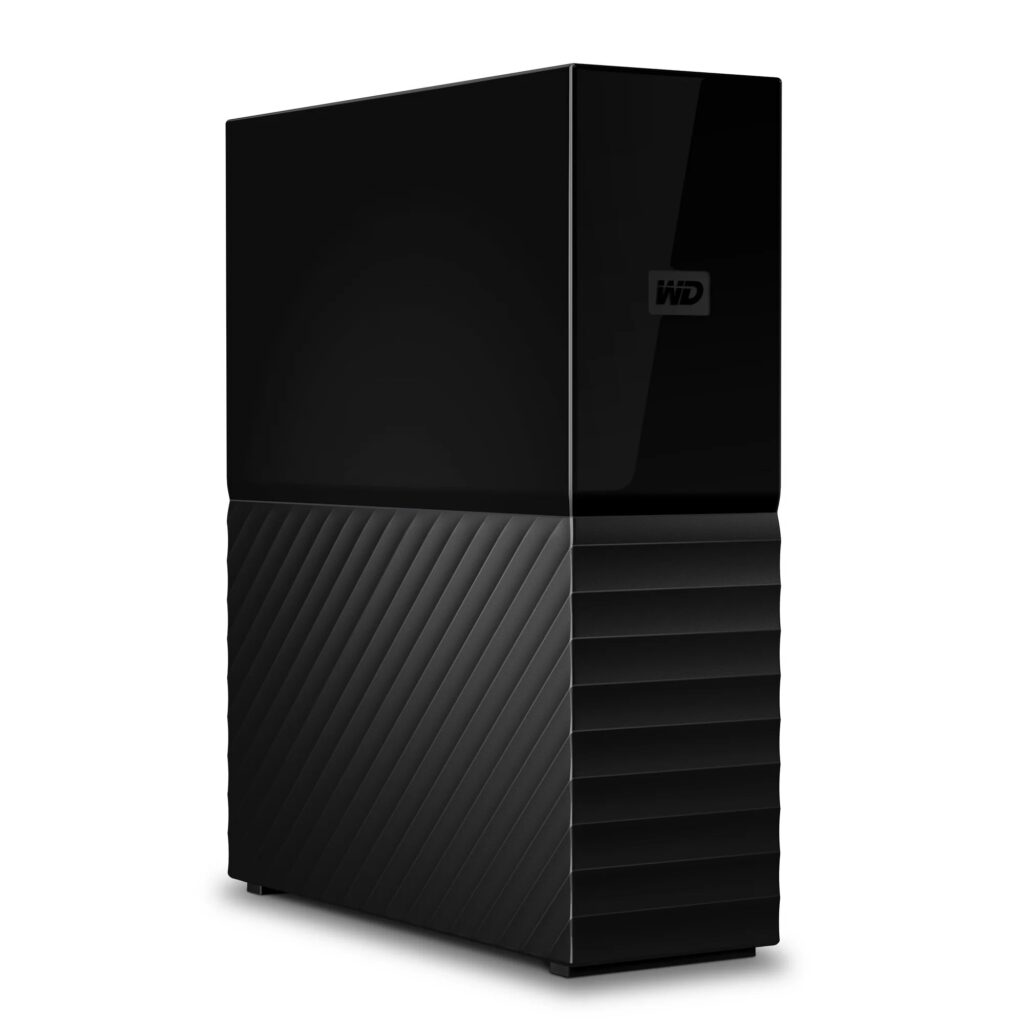
I bought a 4TB Western Digital external hard drive in late 2024 from Walmart, just after the election as part of a Black Friday holiday shopping binge. Along with needing the storage space, I worried a second Trump term would mean something horrible happening to the economy. Unfortunately, as it turns out, I was right; however, I didn’t count on AI nonsense also driving up costs.
The hard drive cost $95 at the time I bought it (or $99 in 2026 dollars, adjusting for inflation). It’s currently selling on Walmart’s site for a whopping $195, or twice what I paid for it. Western Digital has noted it’s virtually sold out of hard drives for the rest of the year, with any current lingering stock all we’re getting in the foreseeable future. Again, all thanks to the AI craze snapping up hard drives.
My hard drive’s currently 63% full (2.5TB). Since I’ve already gotten most of the TV shows and movies I want, I hopefully won’t run out of space in the near future.
Other
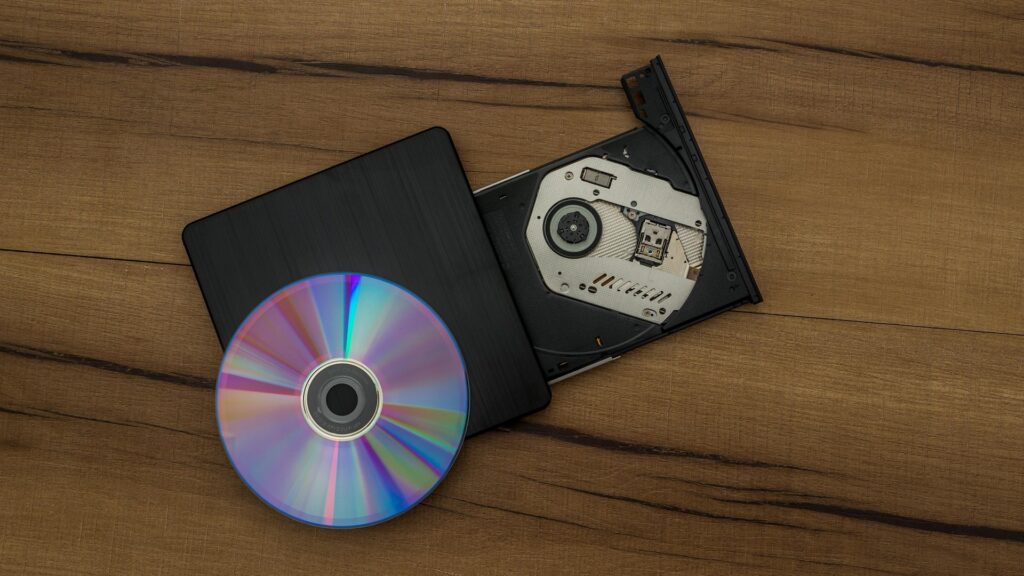
I bought a new external USB Blu-ray drive earlier this year, since my previous one finally died (after owning it since the early-to-mid 2010s). I ended up buying a better-reviewed generic model from Amazon for about $60; it seems there’s few manufacturers of such drives left, and the only name-brand option I found (at Best Buy) was expensive.
DVDs and Blu-rays haven’t changed much in pricing, though I’ve noticed there’s been a few price hikes for some—the Warner Archive releases in particular. There’s also an increased emphasis on more expensive 4K releases, per the dominance of 4K TV sets and steelbook collectors.
Image: My Jellyfin main page. (Screenshot by author)
Related Posts